How to choose the Best Martial Arts Club in Winchester
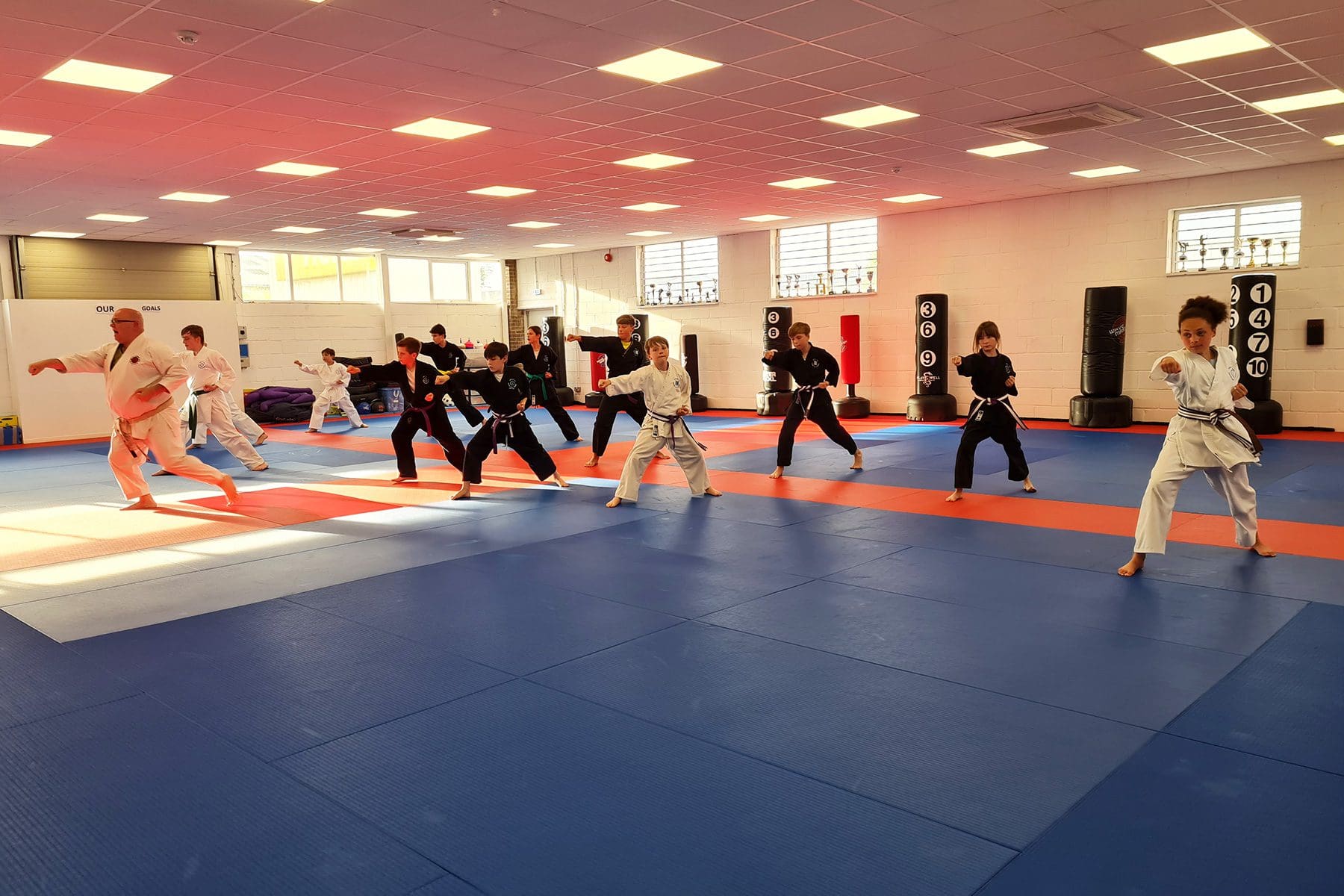
Do I really need to worry about which club I choose?
In an ideal world, you’d find the nearest Martial Arts club in Winchester and go there to train or send your child to their Martial Arts classes.
Choosing a Martial Arts club isn’t quite as simple as finding the one closest to home or the cheapest monthly fee. The instructor, teaching methods, class structure and overall environment can have a significant impact on your child’s experience and the benefits they gain.
A great Martial Arts club can help children develop confidence, resilience, self-discipline, respect, fitness and friendships that last for years. Unfortunately, not every club delivers the same standard of coaching, safeguarding or child development. Some focus almost entirely on techniques and belts, while others place equal importance on helping children grow as people.
The good news is that Winchester has several martial arts clubs, each with its own strengths. Rather than asking, “Which Martial Art is best?” a better question is, “Which club is the best fit for my child?”
While the vast majority of Martial Arts clubs are run by dedicated, caring instructors, there have been cases across the UK where poor standards have resulted in children being placed at unnecessary risk or having suffered injuries. Choosing a club carefully, isn’t about being fearful, it’s about making an informed decision.
This guide will show you the key things to look for, the questions every parent should ask before joining, and how to recognise a club that will help your child thrive both on and off the training mats.
BOOK A FREE TASTER CLASS
To book your FREE taster session click this link:
Does your Winchester Martial Arts teacher actually have a Martial Arts coaching qualification?
💡Quick answer
A good Martial Arts instructor should be qualified as a coach, not just an experienced martial artist. Look for recognised coaching qualifications, safeguarding training, DBS checks and evidence of ongoing professional development. Technical skill alone does not guarantee someone can teach children safely or effectively.
One of the biggest misconceptions parents make is assuming that an outstanding Martial Artist will automatically be an outstanding coach. Whilst technical ability is important, the skills required to develop confident, capable children are very different from those needed to perform at a high level in competition.
Winning championships, earning Black Belts or competing internationally demonstrates personal achievement. It does not, on its own, provide the knowledge required to teach children safely, understand how they learn, adapt to different personalities or help every child develop confidence and reach their potential.
Sport England recognises the importance of qualified coaching and promotes coaching qualifications to help ensure coaches are safe, skilled and able to deliver high-quality, inclusive sessions. They have a strong focus on this and will continue to drive higher standards in Martial Arts clubs in Winchester and countrywide.
Effective coaching requires an understanding of subjects far beyond martial arts techniques, including:
- Child development
- How children learn physical skills
- Motivation and confidence building
- Positive behaviour management
- Safeguarding and child protection
- Long-Term Athlete Development (LTAD)
- Motor learning and skill acquisition
- Biomechanics
- Coaching psychology
- Age-appropriate communication
- Creating engaging and enjoyable learning environments
Without this knowledge, lessons often become little more than children being taught in exactly the same way adults were taught many years ago. Modern coaching recognises that children learn differently at different ages and that every child responds to different coaching methods.
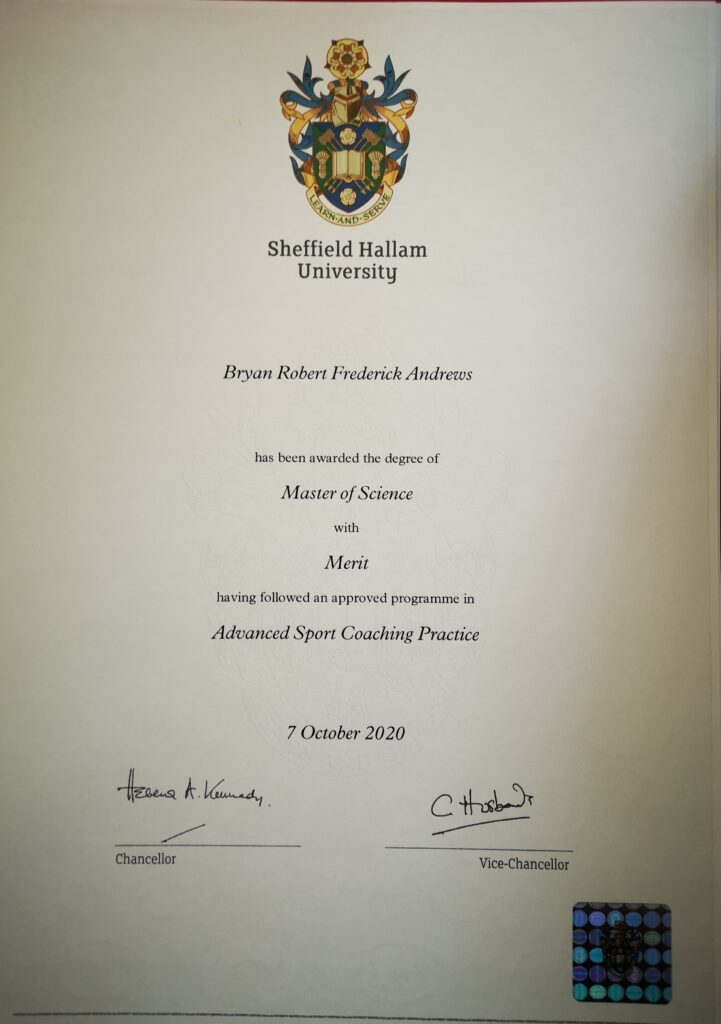
Martial Arts coaching should be treated as a profession with a minimum of a Sport England National Governing Body Level 2 qualification all the way up to an Academic Level 7 Master’s Degree in Advanced Sports Coaching Practice from somewhere like Sheffield Hallam University.
Good Martial Arts teaching qualifications will focus specifically on how adults and children gain physical skills, develop confidence, improve performance and achieve long-term success. Areas of study included child development, safeguarding, motor learning, skill acquisition, biomechanics, coaching psychology, long-term athlete development and evidence-based coaching, with every module and research assignment applied to martial arts instruction.
Gaining a coaching qualification, isn’t a one and done. It’s something that must be continuously upgraded. New research comes out regularly which informs coaching practice. Ongoing continuous professional development at both a practitioner level and also as a coach.
For the members of any Winchester Martial Arts club , this means every class should be carefully planned with clear learning objectives, progressive coaching methods and age-appropriate activities. Skills are introduced in a logical sequence, children are challenged at the right level for their ability, and every lesson is designed to maximise learning, enjoyment and long-term development.
Whether a child is naturally athletic, shy, lacking confidence, highly energetic or simply trying martial arts for the first time, our coaching approach helps them feel supported, achieve success and develop a genuine sense of confidence that extends well beyond the dojo.
The goal is not simply to produce technically skilled martial artists. It should be to help every member become more confident, resilient, disciplined and successful in everyday life.
Coaching Question to ask
What specific Martial Arts coaching qualifications does your coach have?
Why the ‘Safeguarding Code’ Matters for Your Child
💡Quick answer
Choose a martial arts club that has independently verified safeguarding standards. The Safeguarding Code in Martial Arts Accreditation demonstrates that a club has appropriate coaching qualifications, DBS checks, safeguarding policies and procedures that have been externally assessed rather than simply claimed.
Did you know that in the UK, unlike other European countries, The Martial Arts ‘industry is largely unregulated. Anyone can go online or into a shop and buy a black belt online and open a class in a park or village hall with no coaching qualification, insurance or . Yes you read that right, anyone can open a Martial Arts club without any legal requirements being met.
The Safeguarding Code in Martial Arts has been created to assist parents and carers when searching for Martial Arts clubs suitable for children or adults in their care.
Funded by the National Lottery, this scheme was launched by the Sports Minister in early 2018 and is delivered through a group of partners and experts in safeguarding including the Child Protection in Sport Unit (NSPCC) and Sport England.
The Safeguarding Code exists to review safeguarding processes and procedures.
As such, any martial arts club/organisation or individual who has successfully demonstrated to us that they have a good working knowledge of quality safeguarding practices will be able to reassure you that they have the following in place:
- Disclosure and Barring Service Check for all coaches, staff and volunteers (this checks that the individuals are safe to work with children and/or vulnerable adults)
- Safeguarding awareness training for all coaches, staff and volunteers
- All coaches will hold a minimum level 2 National Governing Body coaching standard or coaching qualification
- A Safeguarding Policy
- A Safe Practice Policy
- Insurance documentation
- A reporting system for reporting participants’ safety and welfare
- A complaints process for parents and all participants
- Code of Conduct for children/young people, coaches/volunteers and parents
These should be available to all staff, volunteers, parents and participants
If you’re a parent or carer of a participant who attends a martial arts organisation without the Safeguarding Code in Martial Arts “kitemark“, ask them why they don’t have this kitemark. Please strongly encourage them to work towards meeting the required standards of the Safeguarding Code. A stronger safer Martial Arts Community helps all of us.
We worked hard to achieve the Safeguarding Code in Martial Arts (SCiMA) kitemark in 2018 and still believe that it’s a vital measure of the standards of a club .
- Beyond the DBS: While a DBS check is a basic requirement, the Safeguarding Code is an external audit of our entire culture and more importantly our methods of operation.
- Expertly Vetted: It means our policies on child protection, DBS, coaching qualifications, and first aid have been checked and approved by our Sport England national governing body but also by the body set up to raise standards in Martial Arts coaching.
- Peace of Mind: When you see this logo, you know that the “safety” of your child isn’t just a promise, it’s a verified standard.

Can I watch my Child or Family member during their Martial Arts Class in Winchester?
💡Quick answer
Parents should normally be able to watch lessons. Observing classes allows you to see the coaching style, safeguarding standards and how children are treated before deciding whether the club is right for your family.
Whilst some Martial Arts clubs ask parents or family members to leave during classes, I believe transparency builds trust. Watching lessons allows you to understand how your child learns, appreciate the coaching methods being used and celebrate their progress as they work towards new goals.
There are many benefits to watching your child’s lessons, including:
- Seeing your child’s confidence grow week by week.
- Understanding what they are learning so you can encourage them at home.
- Watching how our coaches support children of different ages, abilities and personalities.
- Seeing first-hand the positive, respectful and inclusive atmosphere within the academy.
- Sharing the excitement when your child achieves new skills or earns their next belt.
For younger children, knowing that a parent or grandparent is nearby can also help them settle into their first few lessons with confidence.
As children become older and more independent, some parents choose to watch every lesson, while others simply relax in our comfortable viewing area or use the time to enjoy a coffee, answer emails or catch up on work. The choice is entirely yours.
We believe parents should never have to wonder what happens behind closed doors. You should be able to see the coaching, the safety standards, the structure of the lessons and the positive environment for yourself.
After all, choosing a Martial Arts club is an important decision. Watching lessons gives you complete confidence that your child is learning in a safe, supportive and professionally coached environment.
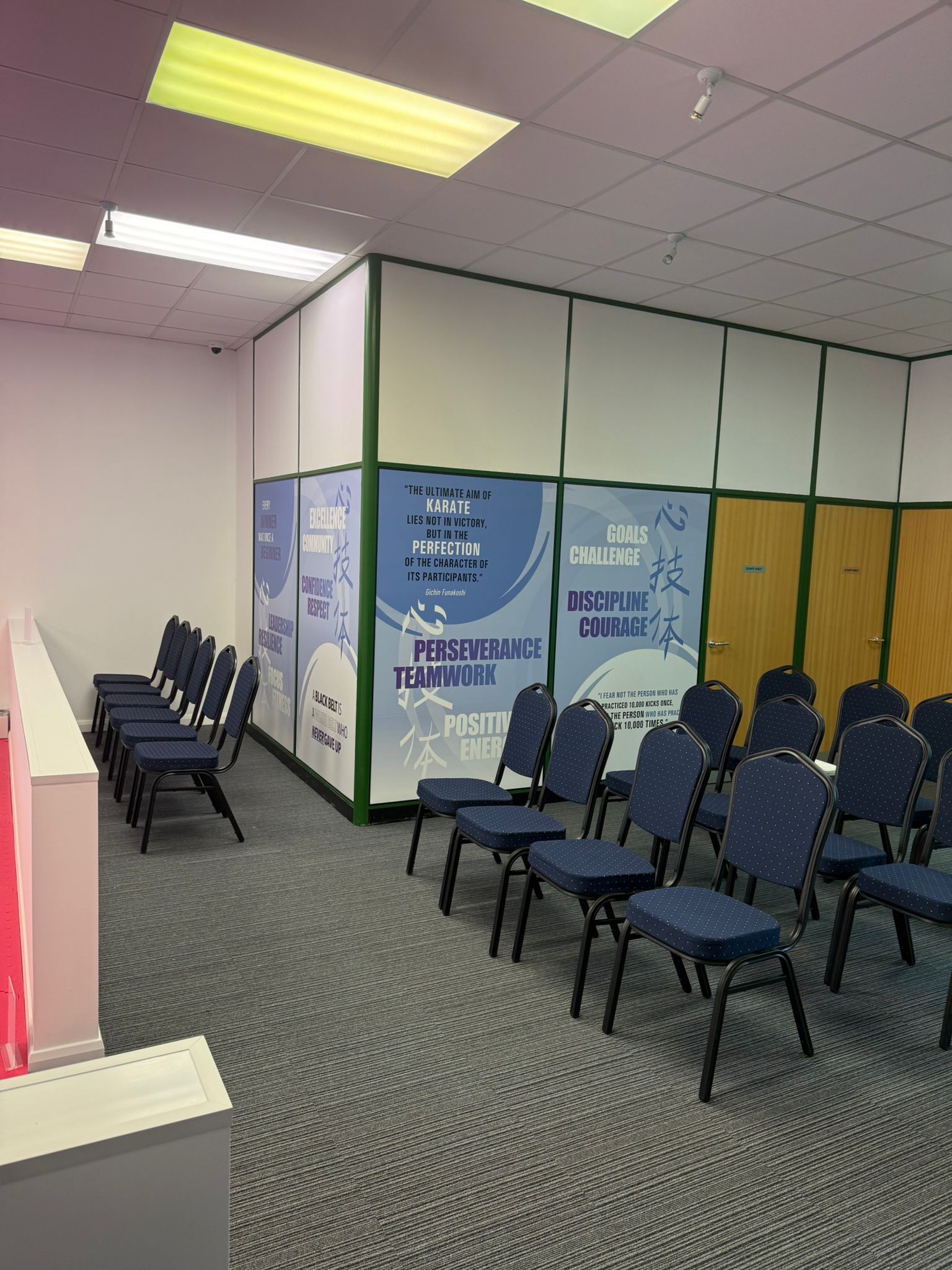
What should you look for when watching a Martial Arts class in Winchester?
When you visit any Martial Arts club, don’t just watch your own child, watch the coaches and how they interact with the class.
Ask yourself:
- Are the coaches positive, patient and encouraging?
- Are children treated with respect?
- Do beginners receive the same attention as advanced students?
- Are lessons well organised with clear learning objectives?
- Are children engaged, smiling and enjoying themselves?
- Is discipline achieved through positive coaching rather than shouting?
- Are classes age-appropriate and well supervised?
- Do children leave the class looking more confident than when they arrived?
These are often far better indicators of a high-quality martial arts academy than simply how many trophies are on display.
Any Martial Arts school in Winchester should be proud of the way they coach and should be happy for parents to watch. We believe openness, professionalism and evidence-based coaching give families complete confidence that they have chosen the right martial arts academy for themselves or their child.
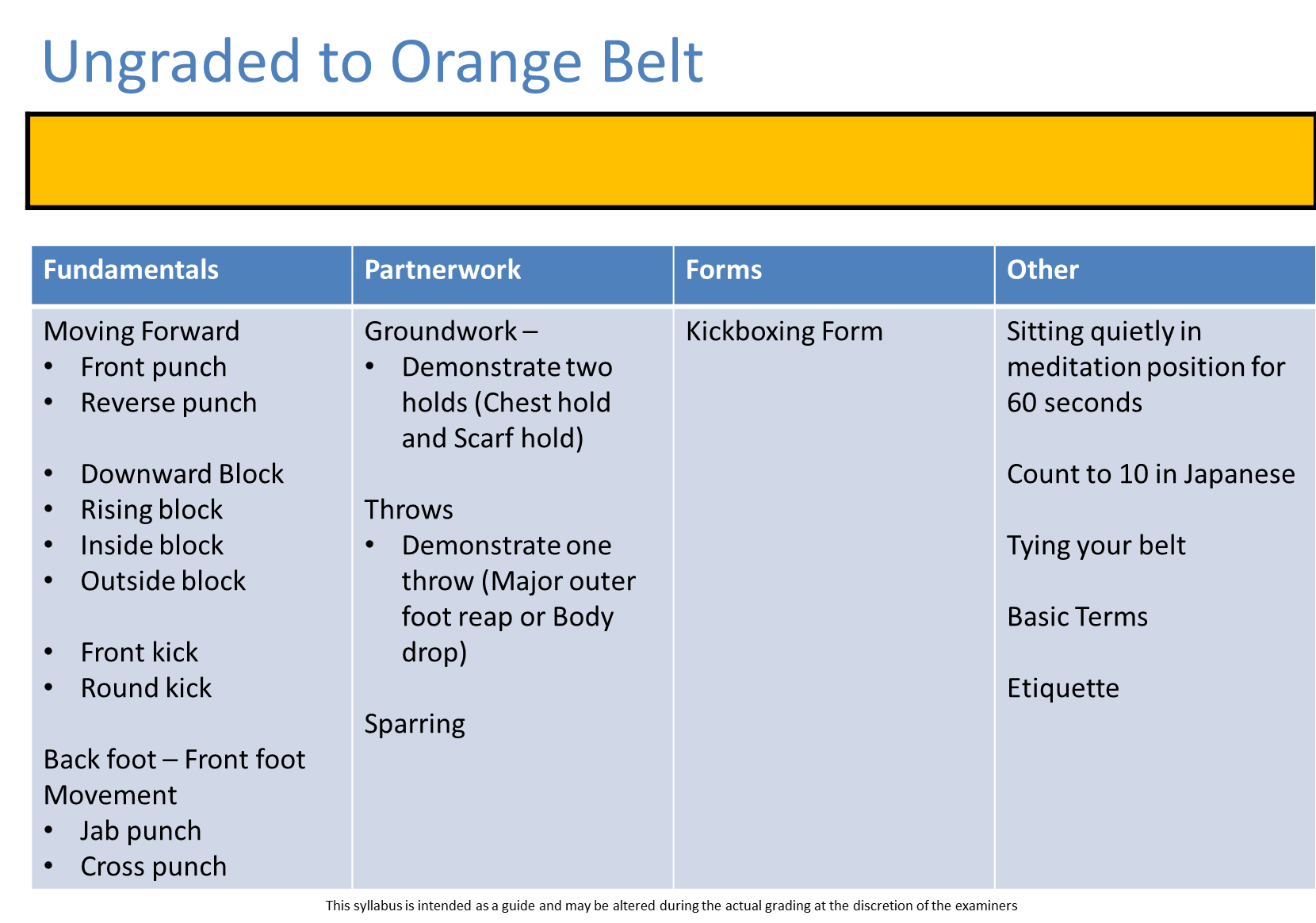
Is there a structured curriculum to follow?
💡Quick answer
A structured curriculum helps children progress safely and consistently. Every lesson should build on previous learning, with clear objectives and age-appropriate coaching rather than random techniques taught from week to week.
A structured curriculum is one of the clearest signs of a professionally run Martial Arts academy.
Many people assume every martial arts club follows a carefully planned syllabus, but this isn’t always the case. Some classes are taught on an ad hoc basis, with techniques chosen simply because the instructor enjoys teaching them or because that’s what they happened to learn themselves the previous week.
A structured curriculum is very different.
Every lesson forms part of a planned journey, with each new skill building upon those learned previously. Children and adults develop in a logical sequence, ensuring techniques are introduced at the right time, practised correctly and reinforced before progressing to more advanced skills.
Every programme should follow a carefully designed curriculum based on age, ability and stage of development. Lessons are planned with clear learning objectives and progressive coaching methods, helping every student develop confidence as well as technical ability.
A well-designed curriculum provides many important benefits:
- Skills are taught in a logical order, making learning easier and more enjoyable.
- Beginners develop strong foundations before progressing to more advanced techniques.
- Students gain confidence through regular success and measurable progress.
- Coaches can monitor individual development and provide appropriate support.
- Every member receives a consistent, high-quality learning experience regardless of which coach is teaching the class.
- Progress towards grading is clear, structured and based on competence rather than simply time served.
A curriculum should also be designed around the science of how people learn physical skills. Coaching methods are adapted to suit different ages, abilities and learning styles, ensuring children remain engaged, motivated and challenged throughout their martial arts journey.
Importantly, a curriculum develops far more than physical techniques. Alongside punches, kicks and self-defence skills, students progressively develop qualities such as confidence, resilience, discipline, respect, focus, self-control and leadership—qualities that benefit them at school, at work and throughout life.
Questions Every Parent Should Ask
When visiting any martial arts club, ask:
- Is there a written curriculum or syllabus?
- How do beginners progress from one level to the next?
- Are lessons planned with clear learning objectives?
- Are classes designed specifically for different age groups?
- How is each student’s progress monitored?
- Are character development and life skills taught alongside martial arts techniques?
A structured curriculum doesn’t just produce better martial artists, it creates a better learning experience, helping every in a Martial Arts school to enjoy their training, achieve their goals and fulfil their potential.

The Difference: Full-Time Academy vs. Community Hall Club
💡Quick answer
Both can provide excellent coaching, but a full-time Martial Arts Academy usually offers greater consistency. Permanent mats, dedicated equipment, reliable timetables, better hygiene and purpose-built facilities often create a better learning environment.
Community Hall
Many great instructors teach in school halls, leisure centres or village halls, in fact I started my own first club in 1990 in a small village hall. However there are often physical limitations to a “part-time” setup that parents should consider. Because the facilities are shared with other users, cleanliness can be an issue, I once stepped into a village hall, barefoot, into a pile of cold Mashed Potato and another time found small pieces of Lego from a Children’s activity morning. I’m not even going to talk about what I found after the dog training class.
Full Time Martial Arts Centre
Many of the leading instructors have developed their schools sufficiently to be able to afford their own purpose built facilities, that may only be used for Martial Arts training and have permanent mats laid and other equipment. The downside of this upgrade in facilities is that the venue has to be paid for all the time by the club not just when they are using it.
Both types of venues can work. As a user, you need to decide which one fits the needs of you or your child best. However the key point to remember is that the coach must be very good at teaching Martial Arts.
| Feature | Full-Time Professional Martial Arts Academy | Community Hall / Leisure Centre |
|---|---|---|
| Safety & Mats | Permanent High-Impact Flooring: Specialized martial arts mats designed for maximum shock absorption and joint safety. | No mats of Fold-out or Yoga Mats: Often thin, laid over hard wood or even concrete floors. Higher risk of “mat burn” or joint impact. |
| Hygiene Standards | Deep-Cleaned Daily: Mats stay down and are professionally sanitized every morning along with used equipment. | Variable: Mats are often stored in dusty cupboards and dragged across public floors during setup before being used (or cleaned?) I |
| Equipment Access | The Full Toolkit: Unlimited use of heavy bags, wall mirrors, and specialized striking shields. | Boot-Sized Kit: Only what the instructor can fit in their car. No mirrors for form correction or heavy bags for power. |
| Reliability | 365-Day Stability: We own the building. Your class is never cancelled for a school play, a polling station, or a hall double-booking. | At the Mercy of the Venue: Frequent cancellations for school holidays, exams, local elections, weddings and local community events. |
| Coaching Team | A Faculty of Experts: A full team of instructors means that if one is ill, the high standard of coaching continues. Often this provides a depth of skills that can be shared amongst all of them. | The “One-Man Band”: Usually a single instructor. If they are ill or away, the class is either cancelled or covered by a student. |
| The “Third Space” | A Home for Families: A dedicated environment with lineage photos, trophies, and a culture of respect. A “home away from home.” Often there are Tea and Coffee facilities along with WiFi. | Sterile Environment: No sense of “belonging.” Training can happens between a and a toddler group or badminton match. Worst case at the same time. |
| Parental Experience | Dedicated Viewing Area: Comfortable seating where you can watch every breakthrough of your child’s class in real-time. | The Waiting Game: Parents are often asked to wait in the car park or a drafty corridor to avoid “distracting” the class. Or they might be able to sit on the floor to watch a class. |
| Professional Admin | Dedicated Support: A front-of-house team that you can contact in multiple ways to handle class bookings and questions instantly. | “Text me Later”: Instructors are usually busy teaching or working another job. Admin is often handled via cash envelopes or late-night texts. |
| Grading & Progress | Structured Syllabus: Regular, professionally organized grading events with clear pathways to Black Belt. | Ad-Hoc: Gradings can be irregular depending on hall availability or the instructor’s schedule. |
| Other Considerations | Refreshments: Many Academies will have Coffee and Tea Making Facilities |
Warning signs to avoid in a Martial Arts club
There are some red flags to consider when choosing a Martial Arts club, some of these are;
- Coaches shouting constantly
- No insurance for coach or members
- Not being asked about any medical concerns
- Parents not allowed to watch
- No safeguarding
- Mixed age classes
- No curriculum
- No clear beginner pathway
- Belts guaranteed after time served
- Poor hygiene
- Sharing sparring kit
- No DBS
- No First Aid
- No Martial Arts coaching qualification
Frequently Asked Questions to ask the Coach
What is the best age for a child to start Martial Arts?
There isn’t one “perfect” age. It depends on the child’s development and the quality of the coaching. Many professional academies offer classes from around four years old, focusing on balance, coordination, listening skills and confidence rather than fighting. As children mature, lessons should become progressively more technical and challenging
Which Martial Art is best for children?
There isn’t a single best Martial Art for every child. Karate, Kickboxing, Judo, Brazilian Jiu-Jitsu, Kung Fu and Taekwondo all have strengths. The quality of the coaching staff, safeguarding standards, structured curriculum and suitability for your child’s personality usually matter far more than the style itself.
How do I choose the best Martial Arts club in Winchester?
Look beyond the website. Visit the academy, watch a class, meet the coaches, ask about safeguarding, coaching qualifications, DBS checks, first aid training, lesson structure and how beginners are introduced. A professional academy should welcome these questions.
Should I choose a full-time Martial Arts academy or a class in a hired hall?
A dedicated academy often provides permanent training equipment, consistent facilities, viewing areas, better heating and cooling, secure storage and a more professional learning environment. However, the coaching quality remains the most important factor.
Does the style of the Martial Art matter as much as the teacher?
For most beginners, no. A highly skilled, experienced Martial Arts coach teaching a well structured programme will usually produce better results than an excellent style taught poorly.
What coaching qualifications should a Martial Arts instructor have?
There is currently no single qualification required across all Martial Arts. However, you should look for a recognised Martial Arts coaching qualifications from a Sport England recognised National Governing Body, safeguarding training, enhanced DBS checks, first aid certification and evidence of continuing professional development. Experienced coaches should also be able to explain why they teach in a particular way, not simply demonstrate techniques.
Is Martial Arts safe for children?
When taught professionally, Martial Arts has an excellent safety record. Good schools introduce techniques progressively, supervise closely, insist on controlled behaviour and create an environment where safety always comes first. As part of a Martial Arts Coaching qualification, coaches learn about Long Term Athlete Development and what this means for children’s training.
Will Martial Arts make my child aggressive?
Research and decades of coaching experience suggest the opposite. Well run professional Martial Arts schools emphasise respect, self-control, discipline and responsibility. Children learn when not to fight as much as how to defend themselves.
Can Martial Arts help build confidence?
Yes. Confidence develops through achievement. Learning new skills, overcoming challenges and progressing through structured goals helps children build genuine self belief rather than relying solely on praise.
Can Martial Arts help children who are shy?
Many shy children thrive because classes provide clear routines, supportive coaching and gradual challenges. As their skills improve, many become more willing to participate at school and in social situations.
Is Martial Arts suitable for children with ADHD?
Many children with ADHD enjoy Martial Arts because lessons combine movement, structure and clear expectations. While Martial Arts is not a treatment, parents often report improvements in focus, self-control and confidence. Every child is different, so coaches should adapt their coaching where appropriate.
Can autistic children do Martial Arts?
Many autistic children successfully participate in Martial Arts. A structured environment, predictable routines and patient coaching can make Martial Arts an excellent activity for many children on the autism spectrum.
How often should children train?
Most coaches agree that attending twice a week helps children develop skills, retain techniques and make steady progress. Training only occasionally leads to slower development and reduced confidence.
Is one lesson a week enough?
One lesson can still be enjoyable, but skill development is much slower and generally students will lost heart when their peers who are training twice a week or more accelerate past them in skills and knowledge. In addition regular practice allows children to reinforce what they have learned before too much is forgotten.
How long does it take to earn a black belt?
This varies enormously between organisations. In many traditional Martial Arts, earning a junior or adult black belt takes between four to six years of consistent training rather than simply attending for a fixed period.
Should parents be allowed to watch lessons?
Many professional academies encourage parents to observe, especially during a beginners first few classes. Watching lessons helps parents understand how their child is progressing and builds trust between families and instructors.
How are children grouped into classes?
The best schools group children by age, maturity and ability rather than simply putting everyone together. Four year olds learn very differently from twelve year olds, so age appropriate coaching is important as are suitable techniques for that age group.
What should I look for during a trial lesson?
Watch how coaches interact with both beginners and more experienced members, whether children appear engaged and respectful, how safety is managed and whether every child receives encouragement and constructive feedback.
Do children need to be fit before starting?
No. Martial Arts classes help children become fitter over time. Beginners are expected to arrive as beginners, not as athletes.
Does Martial Arts improve behaviour?
Many parents report improvements in listening, concentration and self-discipline. However, these changes usually develop gradually through consistent coaching and parental support rather than overnight.
What if my child doesn't enjoy competitive sports?
Many martial arts schools allow children to progress through gradings without competing. Competition is often available but generally not compulsory.
Is Martial Arts better than football or gymnastics?
Every activity offers different benefits. Martial arts combines physical fitness, coordination, self-defence, confidence, discipline and personal progression in ways that many other sports do not, but the best activity is one your child enjoys and attends consistently.
Can girls do Martial Arts?
Absolutely. Girls participate at every level of Martial Arts, from beginners through to international competitors and instructors.
Modern Martial Arts schools encourage participation regardless of gender or disability.
Will my child have to spar?
Not necessarily. Beginner programmes usually focus on fundamental skills first.
Where sparring is included, it should be introduced gradually, safely and with appropriate supervision and protective equipment.
What equipment will my child need?
Most schools allow beginners to try a lesson before purchasing equipment.
When a child starts, they will need a uniform and, depending on the style, protective equipment such as headguard, gumshield, gloves and shin guards for safety. They should also wear a T Shirt or Rash vest under their uniform for safeguarding purposes.
Can Martial Arts help with bullying?
Martial Arts cannot prevent bullying entirely, but it can help children develop confidence, assertiveness and the ability to respond calmly and appropriately and if absolutely necessary using physical skills. A good school also teaches conflict avoidance and when to seek help from trusted adults.
How important is safeguarding in a Martial Arts school
Safeguarding should be the top priority. Ask whether the academy has enhanced DBS checked instructors, safeguarding policies, designated welfare officers, first aid provision and recognised safeguarding accreditation.
Should instructors still be training themselves?
Most definitely YES.
Coaches who continue learning, attending courses and developing their own technical skills are more likely to deliver up-to-date, high-quality coaching.
They should also be undergoing continuous professional development (CPD) as coaches, to improve and update their coaching skills.
How can I tell if my child is making progress?
Progress isn’t measured only by belt colour.
Improvements in confidence, concentration, balance, coordination, resilience, fitness and willingness to tackle challenges are all signs that your child is developing.
Why do some Martial Arts schools seem much cheaper than others?
Fees often reflect far more than lesson time. They may include full-time facilities, qualified coaching staff, safeguarding standards, equipment, class sizes, insurance, ongoing coach education and the overall learning experience. Choosing purely on price can sometimes mean compromising on quality.
What questions should I ask before joining a Martial Arts school
Before enrolling, consider asking:
- Are all coaches DBS checked and first aid trained?
- What safeguarding procedures do you have?
- Can I watch a lesson before joining?
- How do your group your classes by age and ability?
- Is there a structured syllabus?
- How often should my child train?
- Is sparring compulsory?
- What Martial Arts coaching qualifications do the instructors hold?
- How is progress measured?
- Can my child try a class before committing?
Are Children Grouped by Age and Development?
💡 Quick answer
Attention Span and Communication
Young children have shorter attention spans and process information differently from older children and adults. Good coaches adapt their teaching accordingly, using shorter activities, clear demonstrations, varied games and regular encouragement to maintain concentration and enjoyment.
As children mature, lessons can become longer, more technical and increasingly tactical because they are ready to process more complex information.
Emotional Maturity and Executive Function
Children also develop emotionally at different rates. Skills such as self-control, decision-making, planning, problem-solving and managing emotions—known collectively as executive function—continue developing throughout childhood and adolescence.
Professional coaches recognise this and adjust their expectations accordingly. Rather than expecting every child to learn in exactly the same way, they provide appropriate levels of challenge and support that build confidence without overwhelming them.
Social Development
Martial Arts is also about learning alongside other people. Training with children of a similar age helps develop communication skills, teamwork, respect, empathy and friendships. It creates an environment where children feel comfortable asking questions, making mistakes and celebrating each other’s progress.
For many children, these social benefits become just as valuable as the physical skills they learn.
Ultimately, grouping children by age and development isn’t simply about convenience—it’s about creating the best possible learning environment. When coaching is matched to a child’s physical, emotional and cognitive development, they are more likely to enjoy training, stay motivated, make consistent progress and continue benefiting from Martial Arts for many years to come.
Questions Every Parent Should Ask
- How are children grouped into classes?
- Are beginners separated from more experienced students?
- How do your coaching methods change for different age groups?
- How do you support children who learn at different rates?
- What research or coaching qualifications inform the way your classes are taught?
Final Thoughts
Choosing the right Martial Arts club isn’t about finding the one with the most trophies, the loudest advertising or even the lowest monthly price. It’s about finding a place where you or your child will feel safe, supported and inspired to keep learning for years to come.
A great Martial Arts Academy should develop far more than punches, kicks and self-defence skills. It should help build confidence, resilience, discipline, respect, fitness and friendships while providing a positive environment where every student can reach their full potential.
We encourage every parent and prospective student to visit several clubs, ask plenty of questions, watch lessons and compare the quality of the coaching, safeguarding, facilities and overall atmosphere. A professional instructor will always welcome informed questions and be happy to explain how their classes are structured and why they teach the way they do.
We hope this guide has given you the knowledge and confidence to make an informed decision when choosing a Martial Arts club in Winchester. Whether you decide to train with Shin Gi Tai Martial Arts Academy or another club, our goal is that you find an academy where you or your child can learn safely, enjoy the journey and gain skills that will last a lifetime.
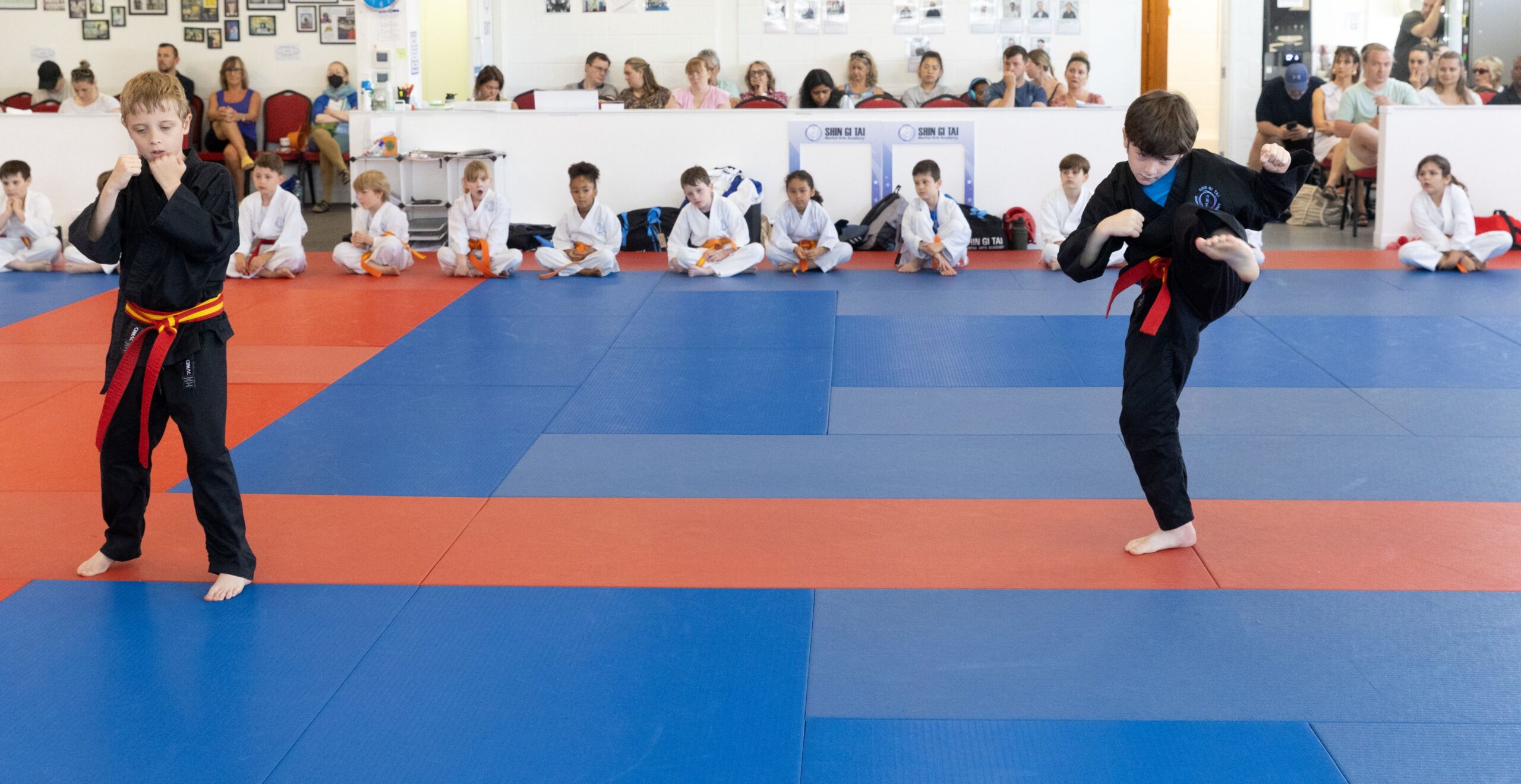
If you’d like to experience our coaching for yourself, we’d be delighted to welcome you for a free, no-obligation taster class. You’ll have the opportunity to meet our coaches, watch the way we teach, ask any questions you may have and discover whether Shin Gi Tai is the right fit for you or your family.
Book your FREE taster class today and experience the difference for yourself.
BOOK A FREE TASTER CLASS
To book your FREE taster session click this link:
What our members think
Our Children's Martial Arts classes are split by age
Rising Heroes’ class is for 4 - 6 year olds
Young Legends class is for 7 - 10 year olds
Urban Warriors class is for 11 - 16 year olds
Timetable
Classes operate Monday to Friday
4 - 6 year olds 16:00 - 16:35
7 - 10 year olds 16:45 – 17:25
11 - 16 year old 17:35 – 18:20
Speak to a Coach
Please enter your contact details below with any questions that you have for a coach about choosing a Martial Arts club or training in the Martial Arts. .