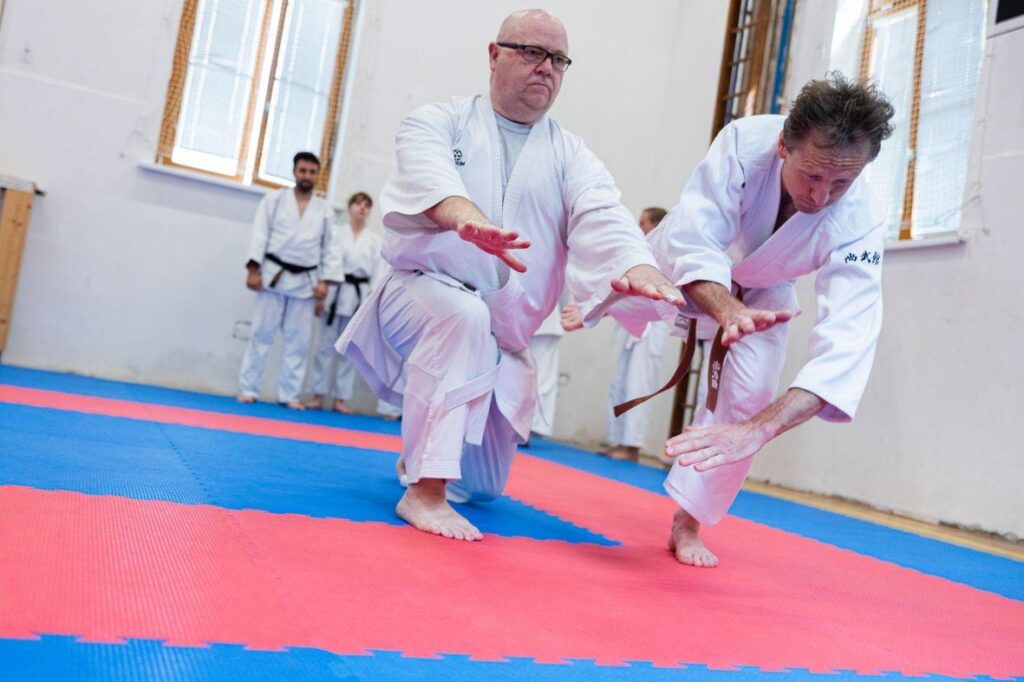
At Shin Gi Tai Martial Arts Academy, we welcome a wonderfully diverse range of members. People join us to get out of the house, meet like-minded people, and improve their physical and mental health. Because our members range from four-year-olds taking their first tentative steps onto the mats to octogenarians practising Tai Chi, we must apply the sports science principles of Long-Term Athlete Development (LTAD) to our coaching. This is not a luxury or a buzzword; it is an absolute necessity if we want to ensure the safety, progression, and long-term engagement of every individual who trains with us. LTAD provides a comprehensive, evidence-based roadmap for athletic development from early childhood through to late adulthood. It ensures that we are not just throwing techniques at students and hoping they stick, but rather systematically building the physical, cognitive, and emotional foundations required for lifelong success in Martial Arts.
Long-Term Athlete Development is a framework that has revolutionized modern sports coaching across the globe. For decades, the traditional approach to Martial Arts—and many other sports—was essentially a ‘sink or swim’ model. A rigid curriculum was applied uniformly to everyone, regardless of their developmental stage. If you were naturally athletic and your body could handle the stress, you succeeded. If you were not, or if you were going through a growth spurt, or if you were an older adult with different biomechanical needs, you often became frustrated, injured, or simply quit. LTAD flips this model entirely on its head. It recognizes that the human body and mind evolve significantly over time, and it dictates that coaching methods must adapt accordingly. It is about doing the right things, at the right time, for the right reasons. It shifts the focus from short-term performance to long-term potential, prioritizing the overall health and wellbeing of the athlete above all else.
The science behind the stages of development
To truly understand the value of LTAD, we have to look at the science of human development. A child is not simply a miniature adult. Their bones are still forming, their nervous system is still developing the capacity for complex coordination, and their psychological needs are vastly different. For example, a young child’s central nervous system is highly plastic, making it the ideal time to develop fundamental movement skills like agility, balance, and coordination. However, they lack the anaerobic capacity for sustained, high-intensity exercise. Expecting a seven-year-old to train like a twenty-year-old is not only ineffective; it is potentially harmful. Similarly, a teenager undergoing puberty is dealing with rapid changes in limb length, muscle mass, and hormonal fluctuations that drastically affect their physical capabilities and emotional state. An adult in their forties has different recovery needs, joint considerations, and lifestyle stressors than a university student. If a coach does not understand these physiological and psychological realities, they are essentially guessing.
By embracing LTAD, we have created a more inclusive, sustainable, and scientifically sound model of training at our Winchester academy. We recognise that success in Martial Arts is not just about mastering techniques for a grading or winning a medal in a competition; it is about developing fundamental physical literacy, building mental resilience, and cultivating a lifelong passion for physical activity. Our goal is to equip our members with the skills, knowledge, and physical capacity they need to remain active and healthy for the rest of their lives. This requires a long-term view, immense patience, and a deep, ongoing commitment to understanding sports science. It means celebrating small victories, focusing on the process rather than the outcome, and creating an environment where every student feels supported and challenged in equal measure.
Adapting training for early childhood (Ages 4–10)
Different people at different stages of their lives require completely different types of training. Let’s break down exactly what that looks like in practice, starting with our youngest members. This is where the foundation for a lifetime of physical activity is laid, and getting it right is crucial.
Ages 4–5: At this stage, children are in what LTAD refers to as the ‘Active Start’ phase. We focus entirely on gross motor skills and proprioception—the body’s ability to perceive its own position in space. Can they balance on one leg without falling over? Can they catch a ball? Can they run, jump, crawl, and change direction safely? They are learning how their bodies move and interact with their environment. The specific Martial Arts techniques—the punches, kicks, and blocks—are entirely secondary to building this fundamental physical literacy. We use games, obstacle courses, and playful activities to develop coordination, agility, and spatial awareness. This early stage is crucial. If a child does not develop these basic movement patterns early on, they will struggle to learn complex Martial Arts techniques later. More importantly, we are instilling a positive attitude towards physical activity, ensuring they associate the dojo with fun, success, and positive social interaction.
Ages 6–10: This is the ‘FUNdamentals’ stage. As gross motor skills become more established, we begin to introduce fine motor controls. We teach them to make smaller, more delicate, and more precise movements. This is where technical Martial Arts training really begins to take root. We focus on developing proper form, balance, and control. However, the emphasis is still heavily on learning through play and structured activities. We are building the ‘ABC’s of athleticism: Agility, Balance, Coordination, and Speed. We also begin to emphasize the importance of discipline, respect, and focus, but we do so in a way that is engaging and appropriate for their cognitive development. We use short, varied drills to maintain their attention and ensure that they are constantly learning and adapting. This is the optimal window for developing skill and coordination, and we capitalize on it by providing a rich, varied training environment.
“My son absolutely loves his Karate class, he’s always excited to get there and just as excited when he leaves asking when he’s going to the next one. 5 stars all day!”
— Parent, Winchester
The dangers of early specialization
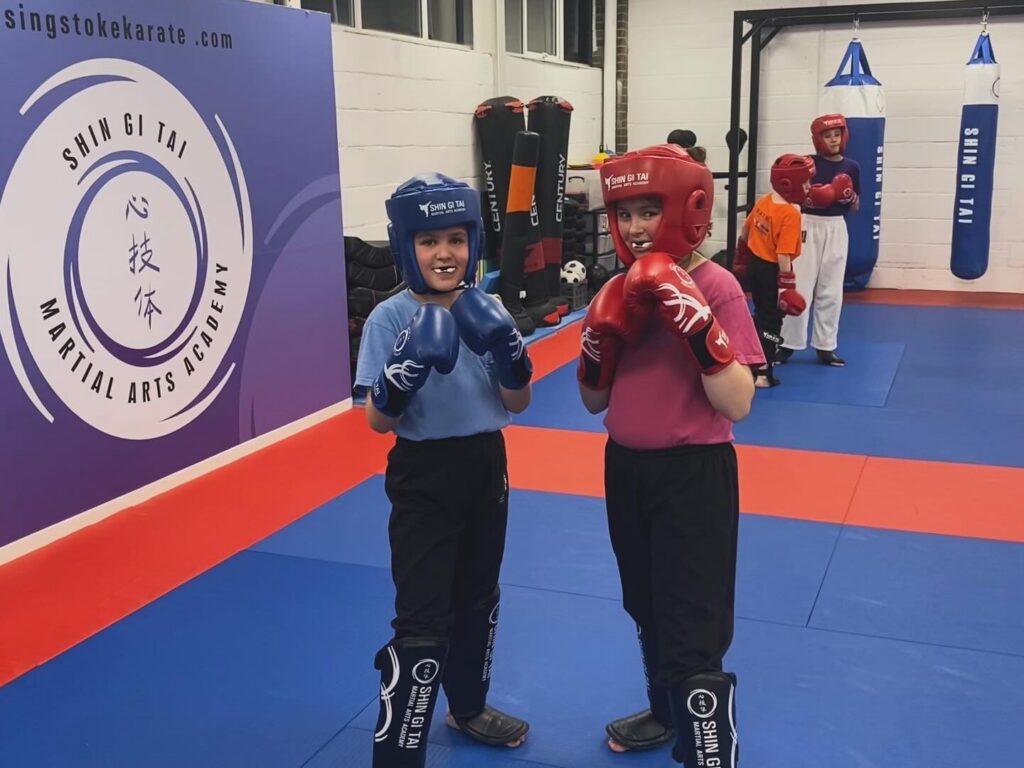
One of the core tenets of the LTAD model, and a principle we adhere to strictly at Shin Gi Tai, is the avoidance of early specialization. In today’s highly competitive sporting culture, there is often intense pressure on young children to pick one sport, train year-round, and compete aggressively from a very early age. Parents and coaches often believe that this is the only way to produce an elite athlete. However, sports science tells us a very different story. Early specialization in a single sport—particularly a highly technical and repetitive sport like Martial Arts, often leads to a host of negative outcomes, including overuse injuries, psychological burnout, and ultimately, a higher rate of dropout before the child even reaches their teenage years.
When a young child specializes too early, they miss out on the opportunity to develop a broad base of fundamental movement skills. They become highly proficient at a narrow range of movements but lack the overall athletic foundation required for long-term success. Furthermore, the repetitive stress placed on growing bones and joints can lead to chronic injuries that plague them into adulthood. Psychologically, the intense pressure to perform and the lack of variety can quickly extinguish the joy of participation. At Shin Gi Tai, we actively encourage our younger members to participate in a variety of sports and physical activities. We want them to play football, go swimming, try gymnastics, and climb trees. This varied movement experience builds a more robust, adaptable athlete and a healthier, happier child. When they do eventually choose to specialize in Martial Arts, typically in their late teens, they do so with a solid physical foundation and a genuine, unforced passion for the sport.
The psychological benefits of a structured pathway
While the physical benefits of LTAD are well-documented, the psychological benefits are equally profound. Traditional Martial Arts models, with their rigid expectations and frequent failure points, can often erode self-esteem, particularly in children and teenagers who are not naturally athletic. When a student repeatedly fails to master a technique that is developmentally inappropriate for them, they internalize that failure. They begin to believe that they are ‘not good enough’ or that Martial Arts is ‘not for them.’ LTAD eliminates this unnecessary psychological stress by ensuring that students are only presented with challenges that are appropriate for their current stage of development. This creates a cycle of success and positive reinforcement.
When a child successfully completes a fundamental movement drill, they experience a sense of accomplishment. That accomplishment builds self-efficacy, the belief in their own ability to succeed. As they progress through the LTAD stages, these mastery experiences accumulate, creating a robust foundation of self-confidence that extends far beyond the dojo. They learn to view challenges not as threats, but as opportunities for growth. They develop a ‘growth mindset,’ understanding that their abilities are not fixed, but can be improved through effort and dedication. This psychological resilience is perhaps the most valuable gift we can give our students. It equips them to handle the inevitable setbacks and failures they will encounter in life, academic pursuits, and their future careers.
Furthermore, the LTAD model fosters a more supportive and collaborative training environment. Because the focus is on long-term development rather than short-term performance, the pressure to ‘win’ or ‘be the best’ is significantly reduced. Students are encouraged to focus on their own individual progress, rather than comparing themselves to others. This reduces anxiety and creates a space where students feel comfortable making mistakes and learning from them. It also encourages peer support and mentorship, as older, more experienced students help guide the younger ones through the developmental stages they have already navigated. This sense of shared journey and mutual support is the hallmark of the Shin Gi Tai community.
Navigating adolescence and early adulthood (Ages 11–20s)
Puberty (Ages 11–18): This is perhaps the most critical and challenging phase for a coach to manage. It is a time of massive growth spurts, known as Peak Height Velocity (PHV). During PHV, a teenager’s bones grow faster than their muscles and tendons can stretch to accommodate them. This leads to a temporary decrease in flexibility and coordination, a phenomenon often referred to as ‘adolescent awkwardness.’ A teenager who was previously highly coordinated and technically proficient may suddenly struggle to execute techniques they have known for years. Their centre of gravity has shifted, their limb length has changed, and their brain is struggling to recalibrate.
If a coach does not understand LTAD, they might view this temporary clumsiness as a lack of effort, a loss of focus, or a decline in talent. They might push the teenager harder, demanding the same level of performance they exhibited previously. This approach inevitably leads to frustration, burnout, or, worse, overuse injuries like Osgood-Schlatter disease or Sever’s disease. At Shin Gi Tai, we understand the science behind these changes. We guide teens through this phase, helping them relearn how to operate their changing bodies safely. We adjust the training load, focus on maintaining flexibility, and prioritize injury prevention. We also recognize that this is the optimal window for developing aerobic capacity and, post-PHV, for building strength. We tailor their conditioning accordingly, ensuring that they build a robust physical foundation for adulthood. Crucially, we also address the significant psychological and emotional challenges of adolescence, providing a supportive, non-judgmental environment where they can build confidence and self-esteem during a turbulent time.
Late Teens and 20s: This is the ‘Train to Compete’ or ‘Train to Win’ stage for those who choose that path. A 19-year-old is generally looking for intense physical conditioning to build strength, increase power, and showcase their prowess. They are approaching the peak of their physical development and are often eager to test their limits. Our training for this age group reflects that intensity. We focus on high-level technical refinement, tactical understanding, and rigorous physical conditioning. We push them hard, challenging them to exceed their perceived limitations. However, we still prioritize proper recovery, nutrition, and injury prevention, ensuring that their desire to push hard does not compromise their long-term health. We teach them how to train smart, not just hard, emphasizing the importance of periodization and active recovery.
Training for adults and mature members
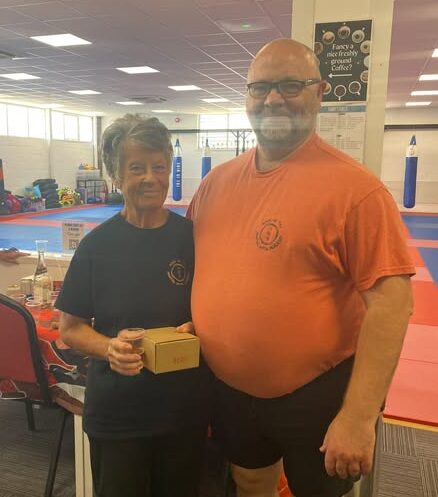
Adults (30s–50s): The needs of an adult in their 30s, 40s, or 50s are vastly different from those of a teenager or young adult. An adult should not be expected to cope with the same level of physical intensity as a 20-year-old, nor do they usually want to. Their bodies require longer recovery times, their joints may have accumulated wear and tear, and they often have different priorities, such as managing stress, maintaining functional fitness, and balancing training with demanding career and family responsibilities. Our adult classes are designed to be challenging but sustainable. We focus on functional fitness—exercises that improve the body’s ability to perform everyday activities—as well as technical skill development. We emphasize the importance of proper warm-ups, cool-downs, and mobility work to protect joints and prevent the common aches and pains associated with aging. We provide a supportive, welcoming environment where adults can relieve stress, improve their physical health, and learn practical self-defence skills without feeling overwhelmed or intimidated.
“The class was fun, engaging and challenging at the same time! I love doing the class with other women, I feel like we all motivate each other! I also like that the teachers actually pay attention to people with injuries, it is something you don’t find easily.”
— Adult Member, Winchester
Mature Members (60s+): As members move into older age, the focus shifts even further towards ‘Active for Life.’ The primary goal is maintaining mobility, balance, cognitive function, and independence. We help mature adults move mindfully, retraining the body and mind to support a longer, healthier lifestyle. Practices like Tai Chi are exceptionally beneficial for this demographic. Tai Chi combines gentle, flowing movements with deep breathing and mental focus. It improves balance (significantly reducing the risk of falls, a major concern for older adults), lowers blood pressure, increases joint flexibility, and provides a gentle, low-impact cardiovascular workout. Furthermore, the cognitive demands of learning complex forms help to keep the mind sharp. The social aspect of training also becomes increasingly important, providing a vital sense of community, connection, and shared purpose that combats isolation and loneliness.
Pathways for competitors and coaches
The LTAD model is not just about recreational training; it also provides the most effective framework for developing elite competitors. For those looking to take their Martial Arts further, we offer dedicated competitive pathways. Whether a member is interested in competing in Brazilian Jiu-Jitsu, Muay Thai, or Chinese Kickboxing, we teach them how to modify their techniques for the competitive arena. Competition requires a specific tactical mindset, a deep understanding of the rulesets, and the ability to perform under extreme pressure. We work with our competitors to develop these attributes through specialized sparring sessions, tactical analysis, and mental conditioning. We teach them how to manage adrenaline, how to read an opponent, and how to execute a game plan. However, we always prioritize their physical safety and long-term wellbeing, ensuring that competition remains a positive and enriching experience.
Beyond competition, we also offer formal coaching pathways. We believe that the best coaches are often those who have been developed from within the club, as they intimately understand our culture, our values, and our methodology. We guide members from assistant coaching roles right through to leading their own classes. We provide comprehensive training in pedagogy, class management, safeguarding, and first aid. For older members who may no longer wish to engage in intense physical sparring or coaching, we provide training to become sideline judges or referees. This ensures that their vast knowledge and experience remain within the sport, and it provides them with a meaningful way to stay engaged and contribute to the community. It allows them to give back to the sport that has given them so much.
At Shin Gi Tai, personalization is the key to longevity. By applying the principles of Long-Term Athlete Development and tailoring our training to the specific needs of the individual, we ensure our members remain functionally fit, mentally engaged, and passionate about Martial Arts for life. We are not just teaching people how to fight; we are teaching them how to live well. We are providing them with the tools they need to navigate the physical and emotional challenges of every stage of life, and we are building a community that supports them every step of the way.
────────────────────────────────────────────────────────────
About the author
Bryan Andrews is the head coach and founder of Shin Gi Tai Martial Arts Academy in Winchester, with over 45 years of Martial Arts training and 35 years of teaching experience. He holds black belts in five different Martial Arts, including a 7th Dan in Karate and a 7th Degree in Kung Fu, and serves as the Shikon England national Karate squad coach. Bryan is also a national-level Tai Chi teacher, a 3rd Dan Shotokan Karate black belt, and holds black belts in both Yoshinkan Aikido and Judo.
His academic and professional credentials are equally impressive. Bryan holds a Master’s Degree in Advanced Sport Coaching Practice (Level 7, Sheffield Hallam University), a British Judo Association Level 5 Coaching Award, a UKCC Level 4 Coaching Award, and a BCCMA Level 3 Coaching Qualification. He is also an active tutor, training coaches to Level 1 and Level 2 standard.
Bryan’s Master’s research focused on how children and adults learn physical skills, build confidence, and achieve long-term success through evidence-based coaching. This academic foundation underpins everything that happens at Shin Gi Tai Martial Arts Academy, ensuring every lesson is structured to maximise progress safely and effectively for every individual — regardless of age, ability, or background.