Welcome to our guide on one of the most famous and respected Martial Arts in the world. If you are reading this, you are likely curious about what makes karate so special and why it has remained a pillar of our community here at Shin Gi Tai Martial Arts Academy in Winchester since 1992. Whether you are a parent looking for karate classes for kids Winchester or an individual searching for adult’s karate in Winchester, you have come to the right place.
Karate keeps you fit, but that is the least of it. It teaches patience, self-control and how to keep going when something is hard. As parents ourselves, we know that finding an activity that builds confidence and resilience is a top priority. As practitioners, we know that the physical and mental rewards of karate are life-changing.
In this deep dive, we will explore the fascinating history of this art, the technical skills you will learn, and the legacy of the masters who shaped it. We will also share how we do things differently at our karate school in Winchester to ensure every member reaches their full potential.
What is Karate? A brief history
The story of karate begins on the island of Okinawa, long before it became a part of modern Japan. Because Okinawa was a hub for trade between China and Japan, different fighting styles naturally began to mix. The local Okinawans developed their own methods of unarmed combat, which they called Te, meaning hand. Over time, these local skills blended with Chinese kung fu to create what we now recognise as karate.
For a long time, these techniques were practised in secret. Many people believe this was because of bans on weapons, which forced people to turn their own bodies into effective tools for self-defence. This is where the name karate comes from. Originally, it was written with characters that meant Chinese hand, but it was later changed to mean empty hand. This change reflected a deeper philosophy: a karate practitioner does not need a weapon to protect themselves or others.
Karate eventually moved from the quiet villages of Okinawa to mainland Japan in the early 20th century. From there, it spread across the globe, becoming one of the most popular forms of martial arts Winchester and beyond. Today, it is practised by millions of people who seek the balance between a strong body and a peaceful mind.
The legendary Karate masters: Gichin Funakoshi
When we talk about the history of karate, one name stands above the rest: Gichin Funakoshi. Often called the father of modern karate, Funakoshi was instrumental in bringing the art to the world. He was a schoolteacher from Okinawa who saw karate as a way of educating people and building character.
Funakoshi taught that the ultimate aim of karate lies not in victory or defeat, but in the perfection of the character of its participants. He was the one who helped standardise the art, making it accessible to university students and eventually the general public. His pen name was Shoto, and the school his members built for him became known as Shotokan, which translates to Shoto’s Hall.
At Shin Gi Tai Martial Arts Academy in Winchester, we respect these traditional roots while modernising our approach to suit today’s world. We believe in the same principles Funakoshi championed: respect, sincerity, effort, etiquette, and self-control. These aren’t just words we say; they are the foundation of every lesson we teach.
Hirokazu Kanazawa and the global growth of Karate
Another name that deserves real respect is Hirokazu Kanazawa, widely regarded as one of the greatest karate masters of all time. He was known for combining power, timing, speed and calm control. In many ways, he showed the world that karate could be both sharp and graceful at the same time.
Kanazawa became famous through his tournament success and his teaching, but his long-term impact came from the way he helped spread high-level Shotokan karate internationally. His books, demonstrations, and instruction gave generations of members a clearer picture of what excellent karate looked like. For many practitioners, watching Kanazawa move is a lesson in itself. He made difficult techniques look simple, which is often the mark of true mastery.
His example still matters today because karate is not just about collecting techniques. It is about refining them over time until they become natural, efficient, and meaningful. That is the spirit we want our members to understand in Winchester. Progress takes time. You keep practising, keep polishing, and keep showing up.
The three pillars of training: kihon, kata and kumite
When you step onto the mats at our Winchester Martial Arts Academy, your training will revolve around three main concepts. These are often referred to as the three pillars of karate.
The first pillar is Kihon, which is best understood as the fundamentals of karate, not just the basics. This is where you learn the alphabet of karate, but also how that alphabet creates real movement, structure, and skill. You will practice stances, throws, sweeps, punches, strikes, blocks, and kicks. While it might seem simple at first, Kihon is where you build your power, balance, coordination, posture, and breathing habits. We focus on getting the mechanics right from day one so that you have a solid foundation to grow on. It is like learning to walk before you run; without strong fundamentals, the more advanced moves will never feel quite right.
The second pillar is Kata. A kata is a pre-arranged sequence of movements that simulates a fight against multiple attackers. Think of it as a moving meditation or a detailed blueprint of karate techniques. Each kata contains hidden meanings and practical self-defence applications. By practising kata, you improve your focus, rhythm, and muscle memory. It is a beautiful and challenging way to master the technical side of the art. If you would like to see an example, here is a useful kata demonstration.
The third pillar is Kumite, or sparring. This is where you put your skills to the test with a partner in a controlled and safe environment. For beginners, this starts with very structured drills where both partners know exactly what is going to happen. As you progress, it becomes more fluid and dynamic. Kumite teaches you about timing, distance, and how to stay calm under pressure. The aim is to learn to control your reactions.
Karate comes to the UK: the 1950s and 1960s
Karate took hold in the UK in the 1950s and 1960s, built up by a handful of determined people. In 1956, Vernon Bell formally introduced karate to Britain and established the BKF, giving the art an early structure at a time when very few people here had even seen karate in person.
Those first years were humble. Training often happened in back gardens or drafty community halls, with small groups of committed members repeating fundamentals, kata, and partner drills again and again. There was very little glamour to it. Just hard work, curiosity, and a lot of grit. That solid, no-nonsense start helped shape British karate into something resilient and practical.
Things moved quickly from there. In 1963, Tatsuo Suzuki introduced Wado-ryu to Britain, helping widen public awareness of karate and its different styles. Then in April 1965, the JKA sent Hirokazu Kanazawa, Taiji Kase, Keinosuke Enoeda, and Hiroshi Shirai to Britain. Their demonstrations created massive public interest and gave people a real glimpse of high-level Japanese karate. It was one of those moments that changed everything.
In 1966, the KUGB was founded with Kanazawa as Chief Instructor, helping organise Shotokan karate on a much bigger scale. Keinosuke Enoeda, later known as the “Shotokan Tiger”, took over the KUGB in 1968. His training was famously demanding. In Liverpool especially, his classes were so intense that membership actually dropped at first because only the most resilient members could cope with his “Tiger” style. Tough as it was, that standard helped build a generation of serious karate-ka.
This period also saw important pioneers open doors for others. Pauline Bindra became a real trailblazer for women in the 1960s when she became the first British woman to earn a JKA black belt under Kanazawa. Around the same era, Steve Arneil introduced Kyokushin, adding another major branch to the growing British karate scene.
That history matters to us because it reminds us that karate in Britain was built on consistency, courage, and proper teaching. At Shin Gi Tai Martial Arts Academy in Winchester, we carry that forward in a way that works for modern families and adults. We keep the standards high, the atmosphere friendly, and the training grounded in skills that actually matter.
A Modern Approach at Shin Gi Tai Martial Arts Academy in Winchester
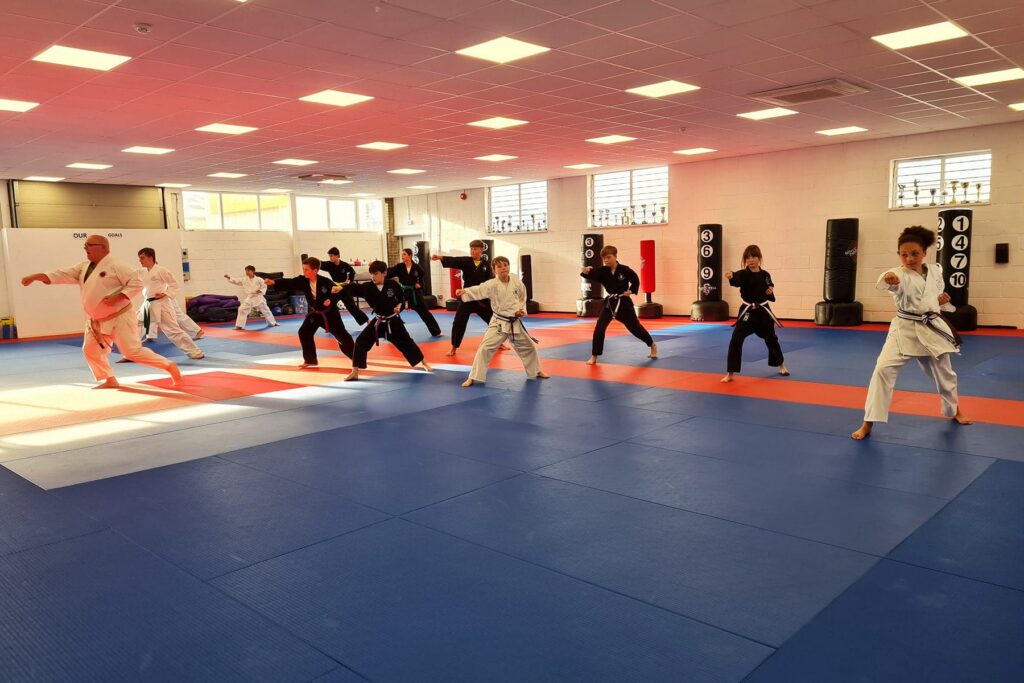
Winchester has a proud history, tradition and heritage dating back centuries. While we value tradition, we also know that the world has changed since the days of the early masters. That is why our curriculum is designed to be practical for the 21st century. Our classes for children and adults blend Karate and Kung Fu, including throws and groundwork, into a progressive syllabus designed for real-world self-defence. We cover every range: long-range kicking, mid-range striking, close-range grappling (including elbows, knees, and throws), and groundwork.
This mix means you or your child learn how to stay safe, as well as the sport itself. We focus on what you can achieve and how we can help you get there. Whether you are looking for fitness, stress relief, or practical skills, our diverse syllabus has something for everyone.
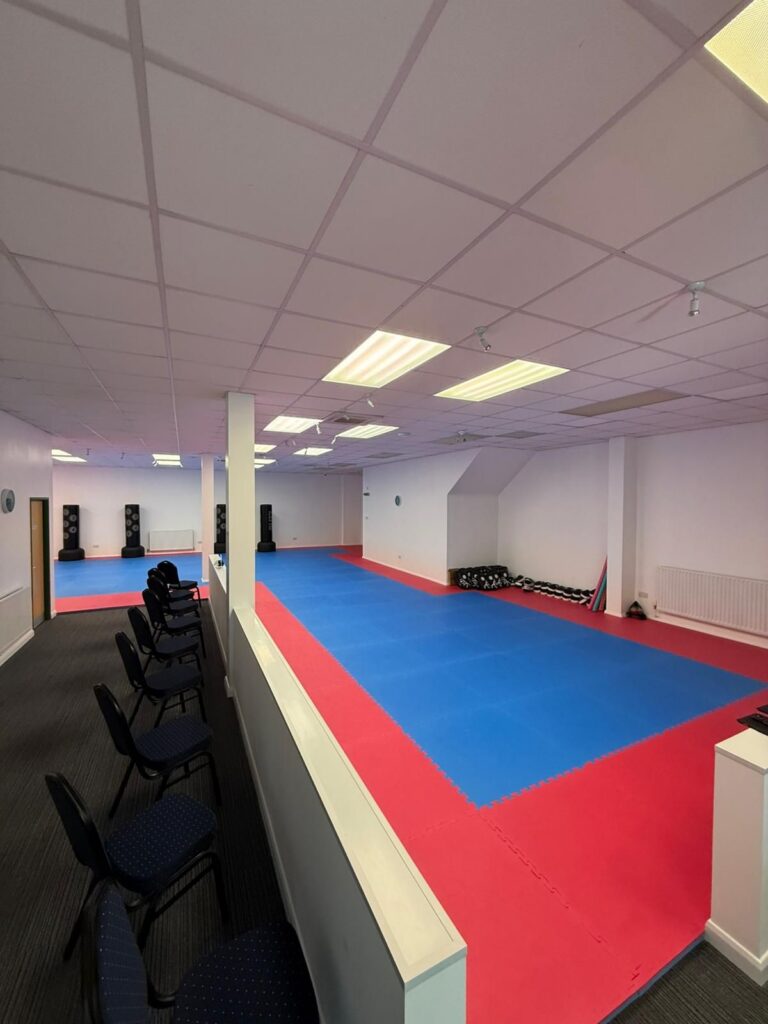
Our training venue is another thing that sets us apart. We have an open plan space where you can see the energy of the classes the moment you walk in. For parents, this is a huge benefit. You can watch your children learn and grow directly from the same space. There are no partitions or hidden areas; we believe in a transparent and welcoming community where everyone feels part of the family.
Building champions on and off the mats
At Shin Gi Tai Martial Arts Academy in Winchester, we are proud of our track record. Shin Gi Tai has been teaching Martial Arts since 1992. Our coaching team has a combined expertise of over 250 years, led by our Head Coach, Bryan Andrews.
Bryan is a highly qualified coach who holds a 7th Dan in Karate and a 7th Degree in Kung Fu. He is a Shikon England national Karate squad coach and a national level Tai Chi teacher. His expertise also extends to other disciplines, including a 3rd Dan Black Belt in Shotokan Karate and Black Belts in Yoshinkan Aikido and Judo. Beyond his martial arts ranks, Bryan is deeply committed to the science of coaching. He holds a Masters degree in Advanced Sport Coaching Practice from Sheffield Hallam University and various high-level coaching awards.
Our members have gone on to win world titles. Bryan was WUKF World Kumite Champion, and Shin Gi Tai members have won hundreds of medals, including more than 120 golds, 6 world titles and 9 European champions. However, you don’t have to want to be a world champion to train with us. Most of our members are everyday people and families who want to improve their lives. The same standards that produce champions are the ones we use to help a 4-year-old build the confidence to stand up tall or an adult to find the strength to manage a busy work week.
Why Karate is great for kids and adults
If you are a parent considering karate classes for kids Winchester, you are giving your child a gift that lasts a lifetime. In a world of screens and instant gratification, karate teaches the value of hard work and patience. That resilience is what helps children succeed in school and in their future careers. They learn that making mistakes is just a part of the learning and mastering process.
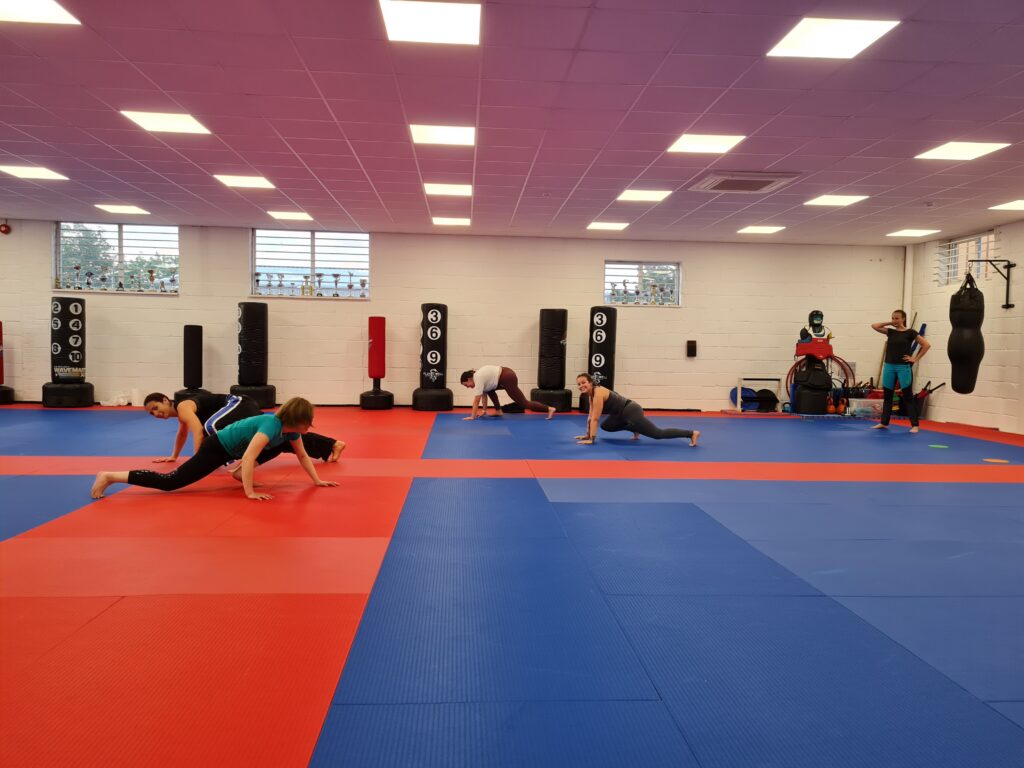
For adults, our adult’s karate in Winchester offers a perfect escape from the daily grind. It is a fantastic workout that improves your cardiovascular health, flexibility, and strength. Because you have to focus so much on the movements, it is almost impossible to think about work or chores while you are on the mats. It is a way of clearing your head while you move.
We also pride ourselves on being an inclusive academy. We welcome members from all backgrounds and abilities, including those with additional needs. Our goal is to make our Martial Arts in Winchester accessible to everyone in our community. We treat every member as an individual, helping them progress at a pace that is right for them.
Join our community
Starting something new can be a little bit nerve-wracking, but we are here to support you every step of the way. We believe that the best way to understand what we do is to experience it for yourself. Our doors are always open to new members who want to see what makes us our karate school in Winchester.
We want everyone to feel welcome from their first class. You will find that our members are just as welcoming as our coaches. We are a family-run business, and that sense of community is at the heart of everything we do.
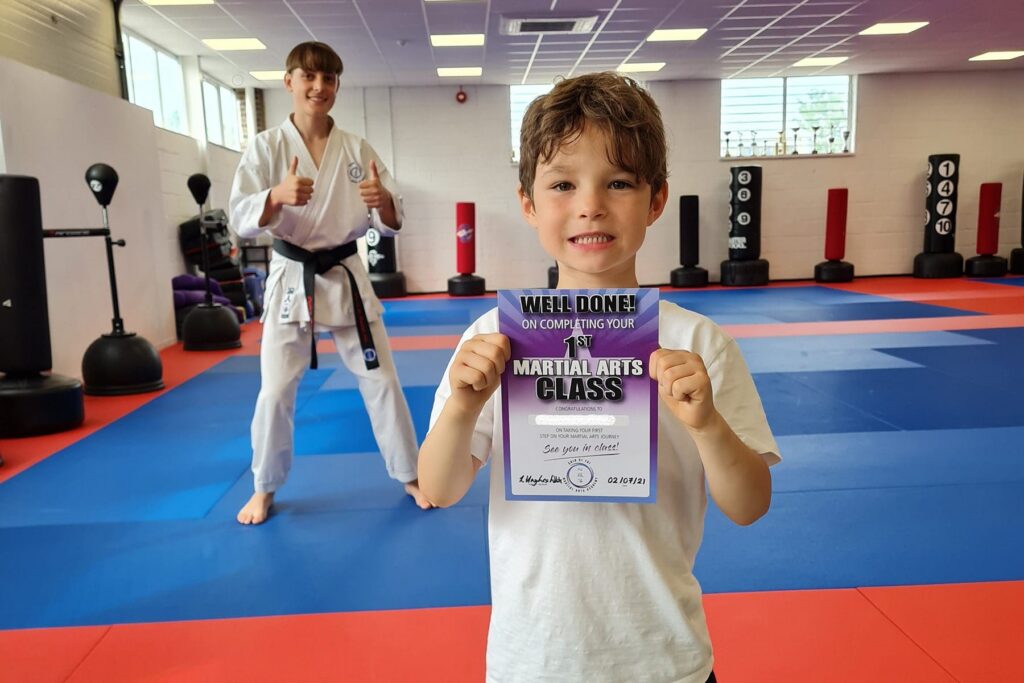
If you’d like to give it a try, or just want to see what we do, come and meet us. There is no pressure and no expectation of instant perfection. Just bring your curiosity and a willingness to try.
You can read more about the masters behind our syllabus in our Shotokan Karate lineage, or find out what our Karate classes in Winchester involve. We look forward to seeing you at Shin Gi Tai Martial Arts Academy in Winchester soon.
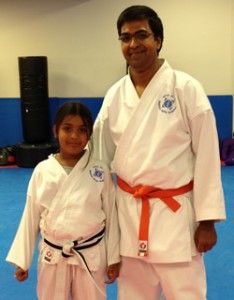
Book a taster class and see for yourself why so many Hampshire families train with us. Whether your goal is self-defence, fitness, or simply finding a new hobby that challenges you, we are here to help you achieve it. Arrange your free taster class here