There are more Martial Arts clubs around Winchester than most people expect, teaching everything from Karate and Brazilian Jiu Jitsu to Taekwondo and Wing Chun. If you’re choosing for yourself or your child, it can be hard to know where to start.
These are the ten things we’d look at, whichever club you choose. We’ve added how we approach each one at Shin Gi Tai so you can compare.
1. Who will actually teach the class
The coach matters as much as the style. Ask who teaches the class you’d join, what Martial Arts grades they hold and, just as important, what coaching qualifications they have. Being good at a Martial Art and being good at teaching it are different skills.
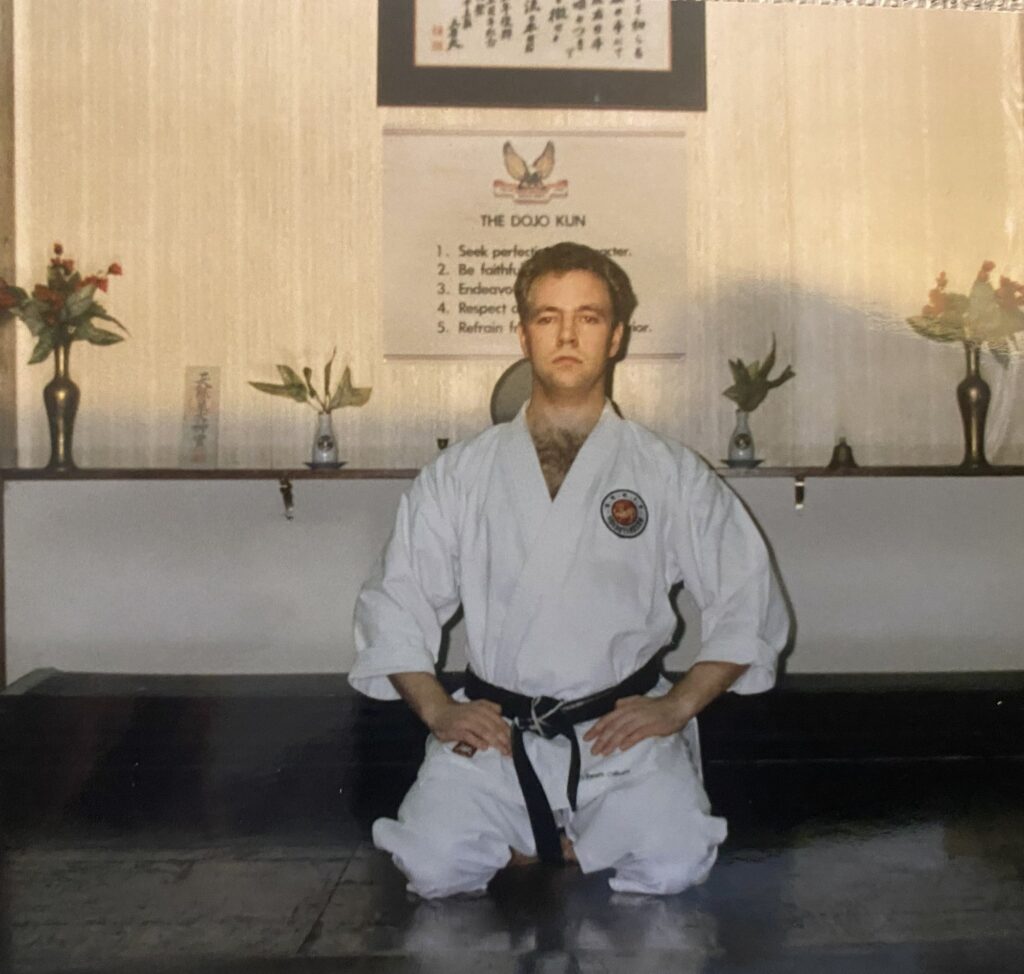
At Shin Gi Tai, every coach holds a recognised coaching qualification. Head coach Bryan Andrews has trained for more than 45 years, holds a 7th Dan in Karate and a 7th Degree in Kung Fu, coaches the Shikon England national Karate squad, and has a Master’s in Advanced Sport Coaching Practice from Sheffield Hallam University.
2. Safeguarding
Ask whether coaches have enhanced DBS checks, safeguarding training and first aid, and whether the club has a safeguarding policy and someone to contact with a concern. A well-run club will be glad you asked.
We hold the Safeguarding Code in Martial Arts, a standard supported by Sport England.
3. Whether you can watch
Some clubs ask parents to wait outside. We’d always suggest finding one where you can see what happens in class. At our Winchester academy, parents can watch every class from a seating area right beside the mats, with sofas and free hot drinks and water.
4. The venue
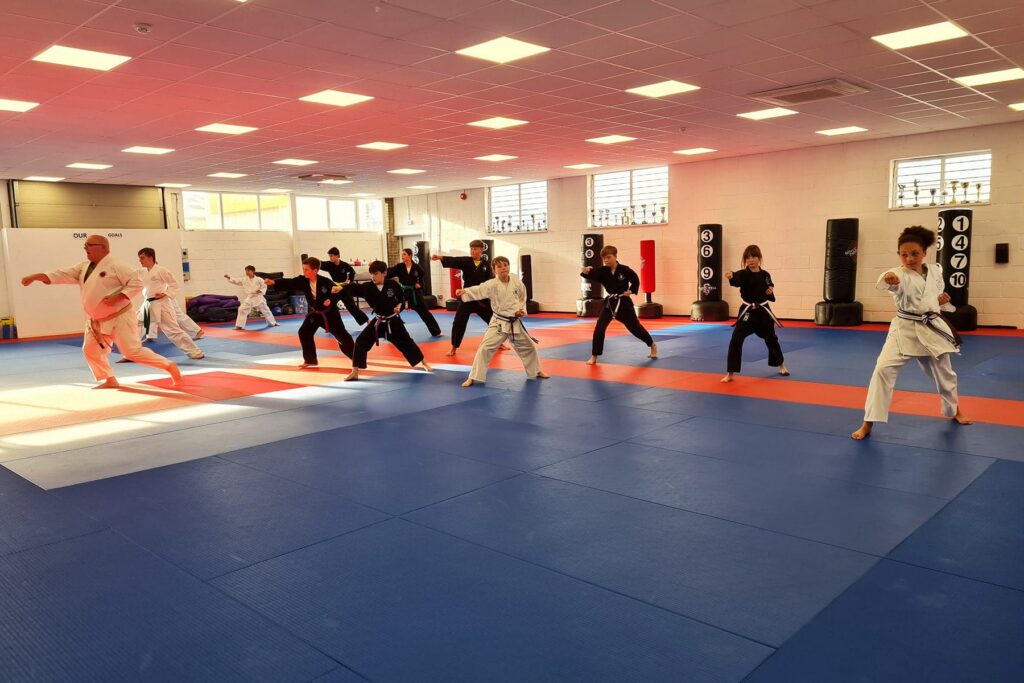
Many good clubs train in community halls and put mats down each week. A dedicated full-time venue has some advantages: permanent matting, more equipment and a timetable that isn’t limited by hall bookings. Ours is a full-time Martial Arts academy in Winnall with permanent mats, bags and training equipment.
5. The style, and what it suits
Each style has its own emphasis. As a rough guide:
| Style | Main focus | Often suits people who… |
|---|---|---|
| Karate | Strikes, blocks, footwork and kata (set sequences) | want structure, discipline and clear progress |
| Kung Fu | Strikes, kicks, flowing movement and close-range skills | like variety and fluid technique |
| Judo | Throws, balance, grips and groundwork | enjoy close contact and using leverage |
| Brazilian Jiu Jitsu | Grappling and groundwork | like problem-solving and control |
| Ju Jitsu | Locks, throws, releases and self-defence | want a broad self-defence base |
| Taekwondo | Fast, high kicks | enjoy speed and flexibility |
| Choi Kwang Do | Lower-impact striking and flexibility | want a gentler start |
| Wing Chun | Close-range punches and sensitivity | like precise, direct technique |
| Muay Thai | Punches, kicks, knees, elbows and clinch | want a demanding striking workout |
Our main classes combine Karate and Chinese Kung Fu, including throws and groundwork, so members train at every range: kicking, punching, close range and on the ground. Adults can also choose Muay Thai, ladies-only Chinese Kickboxing or Tai Chi.
6. A clear syllabus
Ask to see how a beginner progresses. A written syllabus with grades means you know what you’re working towards and the coach isn’t making it up as they go. Ours runs from white belt through to black belt and beyond.
7. Classes grouped by age
For children, it helps when classes are split by age, so the coaching suits their stage. Ours are Rising Heroes (4 to 6), Young Legends (7 to 10) and Urban Warriors (11 to 16), with separate adult classes.
8. More than physical skills
Good Martial Arts training builds confidence, self-control and resilience as well as fitness. Watch how a coach treats the person who is struggling most. That tells you a lot about the club.
9. How it handles bullying and self-protection
Ask how the club teaches self-protection. The right answer puts awareness, confidence and avoiding trouble first, with physical skills as a last resort. That’s how we teach it, including the basics of the law on self-defence for older members.
10. A proper taster class
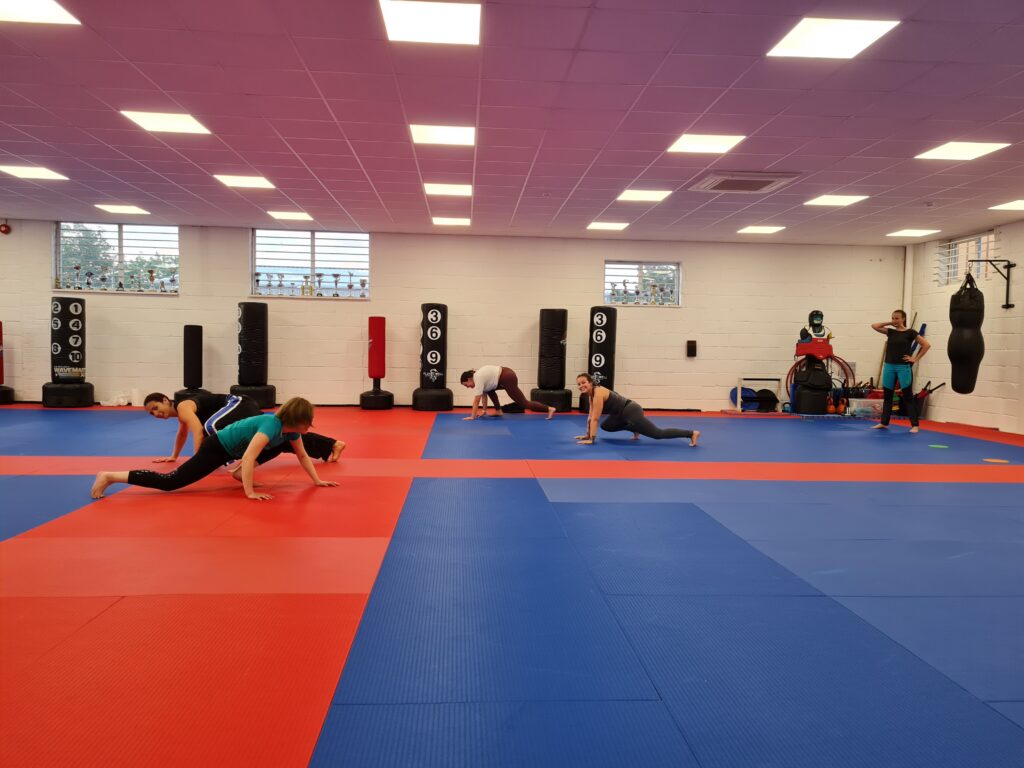
You should be able to try a class before committing. Use it to meet the coach, watch how members treat each other and ask questions. We offer a free taster class with no pressure to join on the day.
Next step
If you’d like to visit, book a free taster class or contact us with any questions. We’re happy to help you find the right class, even if that turns out to be somewhere else.