Between seven and ten, children change a great deal. Friendships get more complicated, school gets harder, and many children meet their first real setbacks: a test that goes badly, a team they don’t get picked for, a falling-out in the playground. How they learn to handle those moments matters.
Our Young Legends classes are built for this age group. Here’s what children work on, and why.
Bouncing back
Some techniques are hard. Balancing on one leg for a kick, or remembering a long sequence of moves, takes many attempts. That’s deliberate. Each class gives children small, safe chances to get something wrong and try again.
We treat a wobble or a forgotten move as part of learning, not a failure. Children learn to take a breath, reset and have another go. Over months, that habit starts showing up elsewhere: in a maths test, a music exam or a tricky friendship.
We saw this at a Kung Fu squad trial. Squad classes are hard. Even without contact, three 90-second rounds flat out is tough, and they come after a demanding warm-up full of jumping and explosive drills. After the warm-up, one boy looked completely wiped out. His dad pulled him onto his lap, said he was too tired, it was too hard, and he’d take him home.
We asked for him to finish the class he’d started, and he did. He was still tired, but he pushed through to the end and left hot, red, sweaty and grinning from ear to ear. A couple of days later his dad told us he’d been wrong. He hadn’t thought his son could do it. His son thought he could, proved it, and loved it.
Respect that’s practised, not just talked about
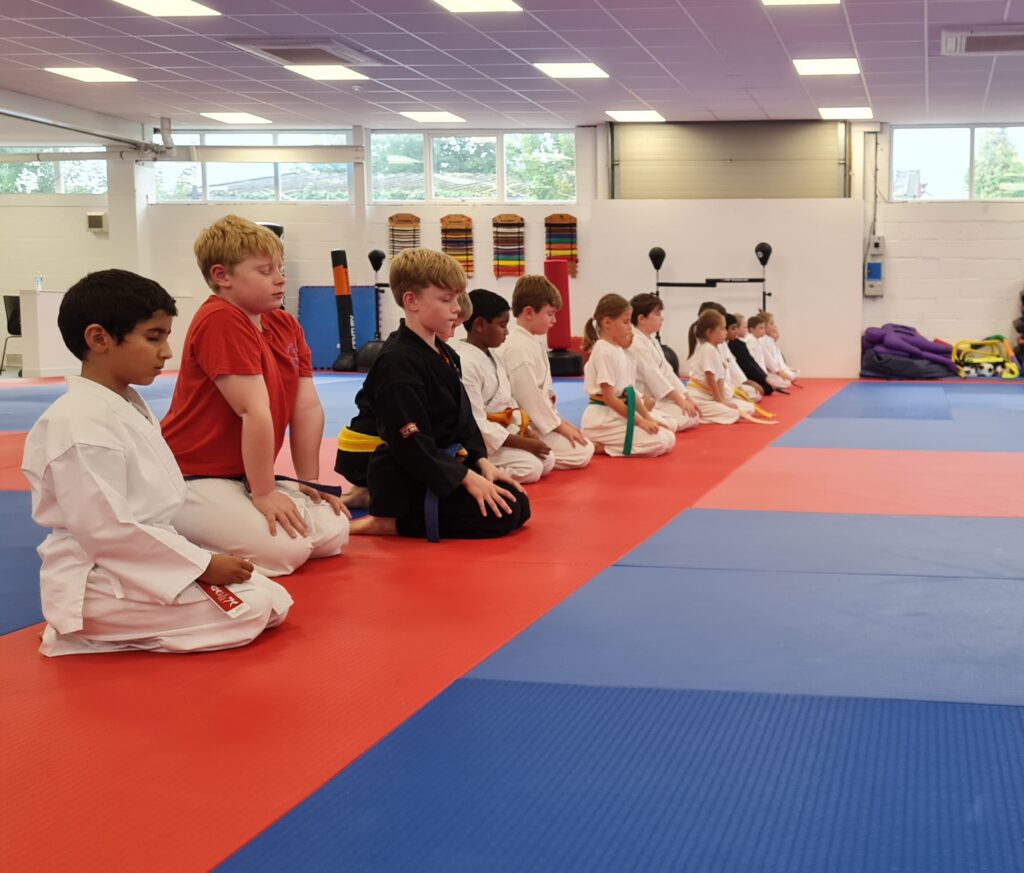
Respect is built into the routine. Children bow as they step onto the mats, answer their coaches politely and thank their training partners. These are small habits, but repeated every week they become part of who children are.
Partner work teaches the rest. When you practise a block or a controlled strike with someone, you have to look after them. Children learn to match their power to their partner, to check they’re all right, and to take turns. For children who find big, unstructured groups hard, this kind of structured teamwork can be a gentle way to build confidence with others.
Staying safe, without looking for trouble
We teach children that physical skills are a last resort. Most of personal safety is awareness, confident body language and a strong voice. A child who stands tall and says a clear “no” often never needs to do anything more.
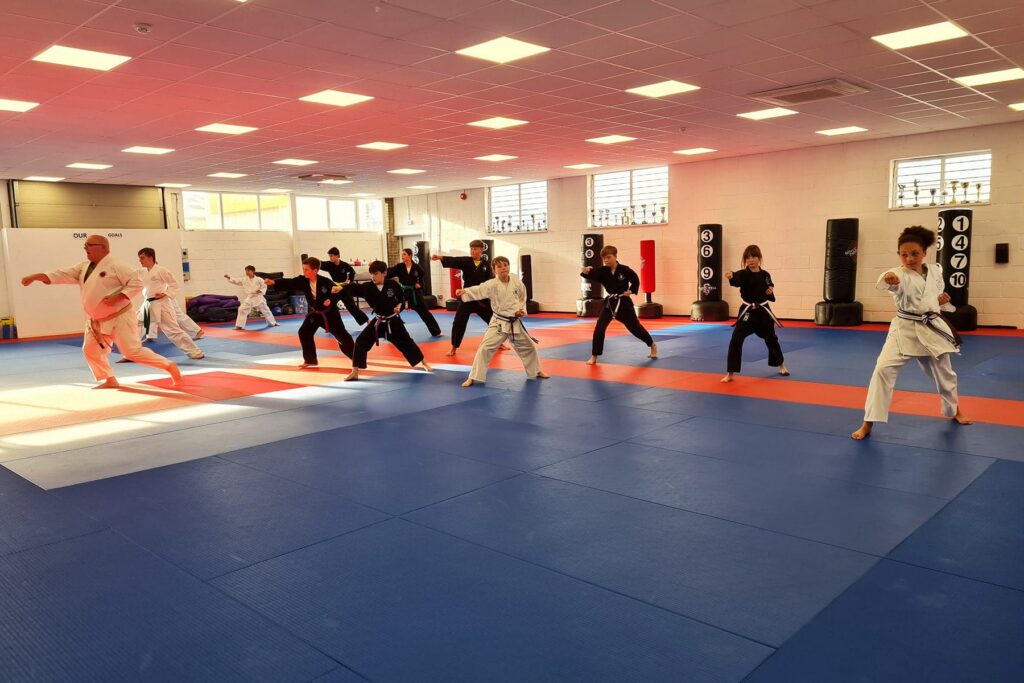
Children still practise practical self-defence: keeping distance, breaking free from grabs and getting back to their feet. Knowing they could do it is a big part of why they feel confident enough not to.
Being a black belt online
Many children this age are starting to game, message and use apps with friends. We talk to them about being a black belt online too:
- treat people in a game chat the way you’d treat a training partner
- don’t hit back at an unkind comment, because walking away is a strength
- block, report and tell a grown-up you trust if something feels wrong.
Putting online safety in Martial Arts terms makes it something children can practise, not just something they’re warned about. There’s more in our guide to the internet bully.
Seeing progress
Children this age love clear goals. Our grading system gives them stripes and belts to work towards, each one showing what they’ve learned and how hard they’ve worked. We celebrate the small wins too, like the first time a seven-year-old ties their own belt.
Classes are structured, but they’re also fun. Games and drills keep the energy up, and children who enjoy coming learn faster and stay longer.
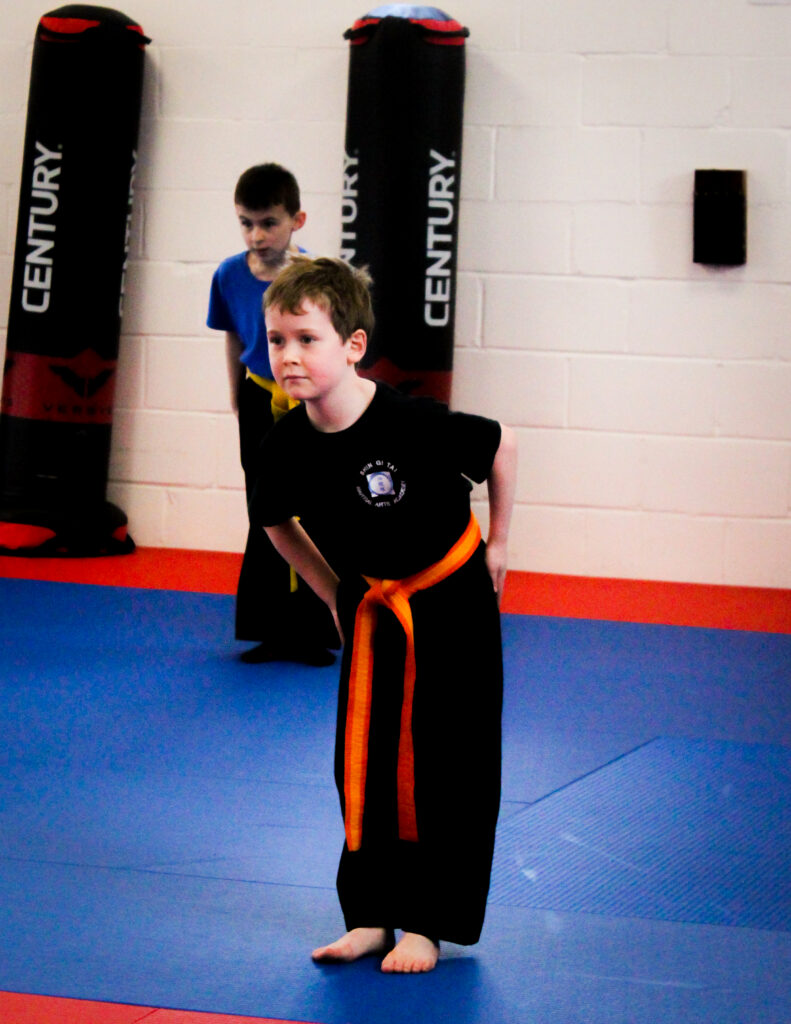
Come and see a class
Parents can watch every class from our seating area beside the mats, so you can see exactly what your child is learning. Children of all abilities are welcome, including those with additional needs; just let us know what helps your child.
You can find timings on our Young Legends page, or book a free taster class to see how your child gets on.