Starting something new as an adult, or watching your child start, can feel daunting. You don’t know the words, the moves or the people. What makes the difference in those first few weeks is rarely the style. It’s the coaching.
Here’s what we think good coaching looks like from a beginner’s point of view, and how we try to deliver it at our Winchester academy.
The right level of challenge
If a drill is too easy, people switch off. If it’s too hard, they get anxious and stop learning. The sweet spot sits in between, where a task is just about within reach. Sports scientists sometimes call it the challenge point.
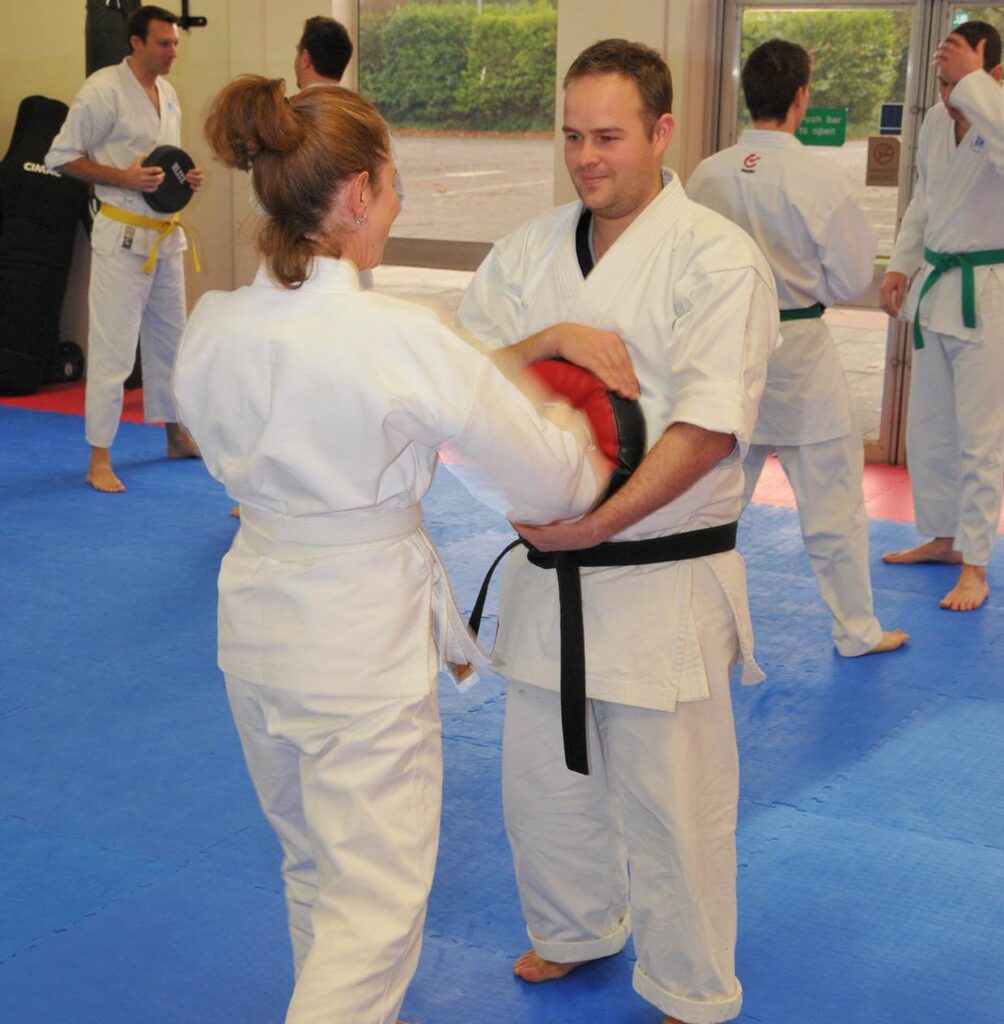
Finding it for a whole class is a skill. A good coach gives the same technique to everyone, then quietly adjusts it. A beginner might work on where their feet go while a more experienced member works on timing or power. Everyone is learning, and nobody is left behind or held back.
This is where experience helps. Between them, our coaching team has more than 250 years of Martial Arts experience. They’ve seen most of the ways a technique can go wrong, so they can spot what’s getting in someone’s way and give them one clear thing to fix.
More than technique
Coaching researchers Jean Côté and Wade Gilbert link effective coaching to four outcomes for the people being coached, often called the 4 Cs:
- Competence: being able to do the skills.
- Confidence: believing you can.
- Connection: good relationships with coaches and training partners.
- Character: respect, self-control and looking out for others.
We find it a useful check on our own classes. A class where everyone improved their kick but nobody spoke to their partner has only done part of the job.
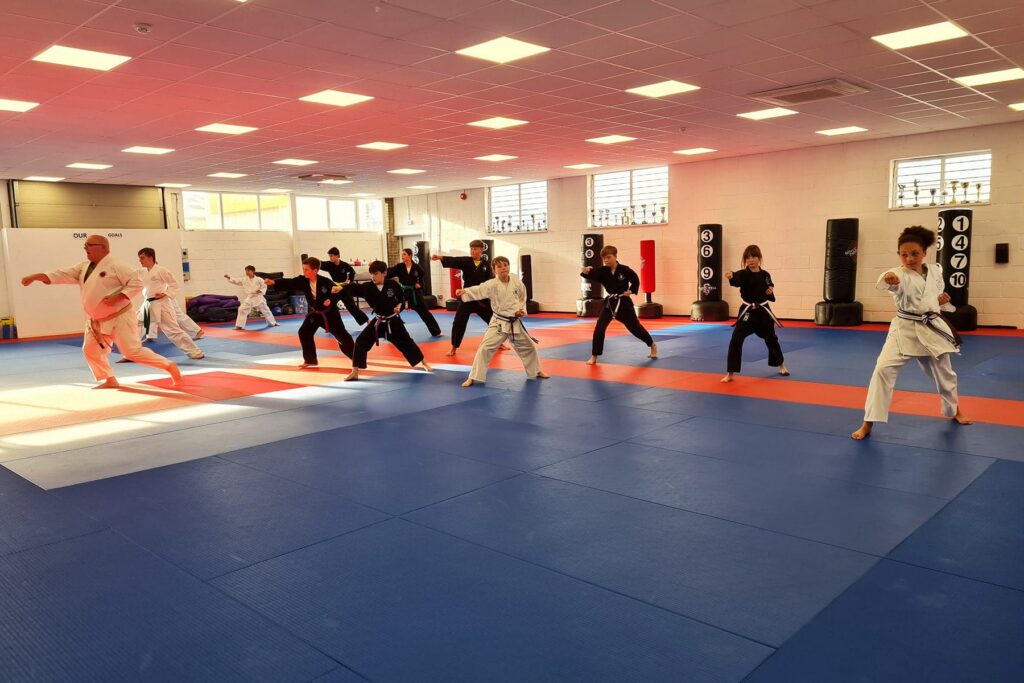
In practice, connection is one of the biggest reasons people stay. Members get to know each other, help newer people and are helped in turn. Many of our longest-serving members started as nervous beginners.
Helping new members feel they belong
One of our junior coaches, Orlagh, has a real gift for this. Some of the four and five year olds who join Rising Heroes have been told they’re shy, or they’re nervous about meeting new people. Orlagh makes them feel wanted, as if they’ve already got a friend on the mats, and gets them comfortable straight away. She’s done that week in, week out for well over a year.
It works for adults too. Six or seven years ago, a mum joined us because her son was training. The first thing she said was, “I can’t do that. It’s too hard.” Our answer was, “Let’s try and see how we get on.” She’s now preparing for her 2nd Dan black belt and is one of our best coaches. She still says “I can’t do that” sometimes. A few weeks or months later, she comes back and tells us, “I’ve got it. I’ve nailed it.”
What we teach
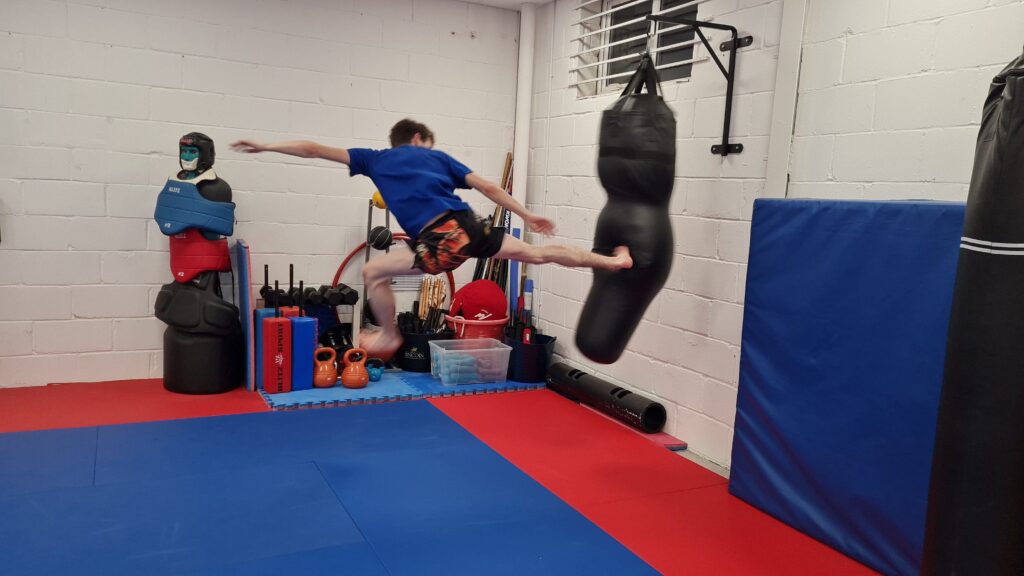
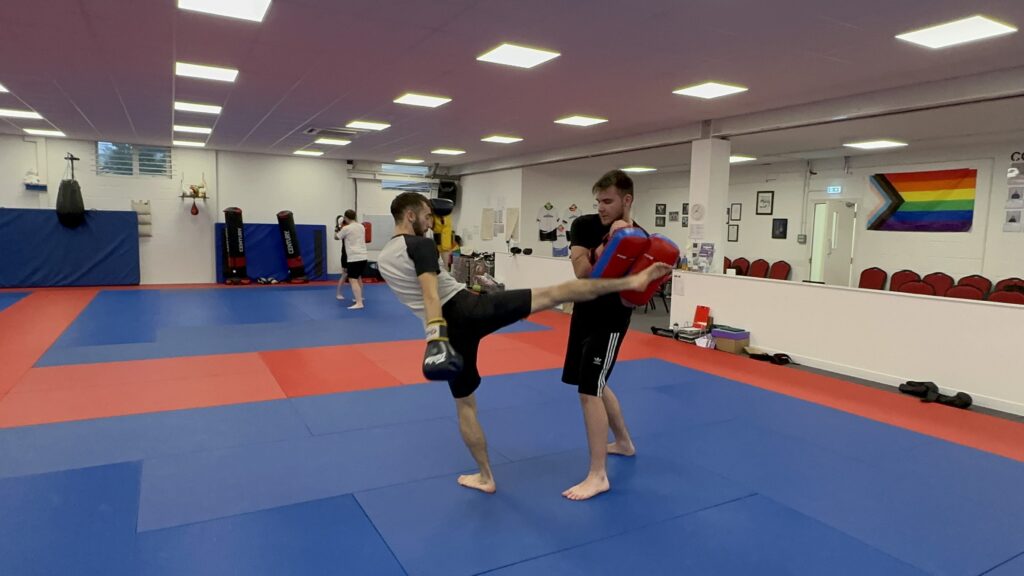
Our main classes for children and adults combine Karate and Chinese Kung Fu, including throws and groundwork. The syllabus covers four ranges: kicking distance, punching distance, close range (elbows, knees, grappling and throws) and the ground. Adults can also choose Muay Thai, ladies-only Chinese Kickboxing or Tai Chi.
Each grade breaks that syllabus into manageable steps, so you always know what you’re working towards next.
A safe, open club
All our coaches hold a recognised coaching qualification, an enhanced DBS check, safeguarding training and first aid. The club holds the Safeguarding Code in Martial Arts, which is supported by Sport England.
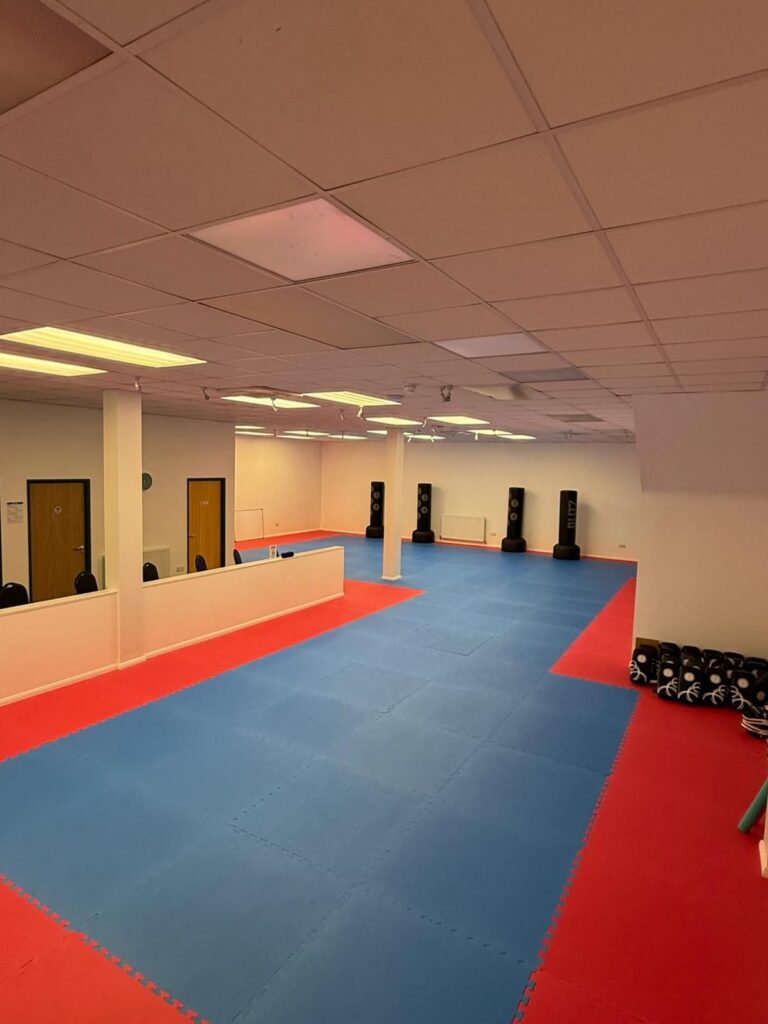
Parents can watch every class from our seating area right beside the mats. We think that openness matters, and it lets you see the coaching for yourself.
Come and try it
The best way to judge coaching is to experience it. Book a free taster class, meet the coaches and see whether it feels right. There’s no pressure to join on the day.
You can read more about our coaching team or our adult classes.