
What to do if your child is being bullied: A practical guide for Winchester parents

When your child tells you they are being bullied, it can be difficult to know what to do first. You may feel angry, frightened or tempted to contact the other family immediately. Your child, meanwhile, may be worried that telling you will make the situation worse.
The most helpful first response is usually calm, reassuring and practical:
“I’m glad you told me. This is not your fault. We will work out what to do together.”
Bullying should never be dismissed as simply “part of growing up”. Equally, not every disagreement or unkind incident is bullying. Understanding the difference helps parents describe the problem accurately, helps schools investigate it properly and makes it more likely that the right support will be put in place.
This guide draws on current government and Hampshire County Council guidance, together with the published approaches of primary schools in and around Winchester. It explains how parents can support their child, work constructively with the school and escalate a concern when necessary.
What is bullying?
The Anti-Bullying Alliance defines bullying as:
“The repetitive, intentional hurting of one person or group by another person or group, where the relationship involves an imbalance of power.”
Three features are normally present:
- The behaviour causes harm. This may be physical, verbal, emotional, social or online.
- It is repeated, or there is a credible risk it will be repeated.
- There is an imbalance of power. This might come from physical size, age, popularity, social influence, numbers, status, confidence, information or control of an online group.
Bullying can include:
- hitting, kicking, pushing, damaging possessions or taking belongings;
- threats, intimidation, insults, name-calling or humiliating remarks;
- deliberately excluding a child or encouraging others to reject them;
- spreading rumours or manipulating friendships;
- racist, sexist, homophobic, transphobic, faith-related or disability-related abuse;
- targeting a child because of appearance, family circumstances, health, SEND or another perceived difference;
- abusive messages, posts, images, group-chat exclusion, impersonation or online harassment.
A single serious incident may not meet the usual definition of bullying, but it can still require immediate action under the school’s behaviour, safeguarding or child-on-child abuse procedures. Parents do not need to wait for something to happen three times before reporting it.
Bullying, conflict and unkind behaviour are not the same
Children sometimes disagree, fall out, say something unkind or both contribute to an argument. That does not make the behaviour acceptable, but the response may differ from the response to bullying.
| Ordinary conflict or falling out | Bullying |
|---|---|
| The children usually have relatively equal power | One child or group has greater power or influence |
| Both may be upset and both may contribute | Harm is directed mainly towards one child |
| It may be a one-off disagreement | It is repeated or likely to be repeated |
| Both children can usually express their position | The targeted child may feel unable to stop it |
| The aim is not necessarily to control or humiliate | The behaviour intentionally hurts, frightens, excludes or controls |
Do not become trapped in an argument over terminology. If your child is frightened, distressed, unsafe or unable to learn, tell the school what has happened and what effect it is having, whether or not the school has yet classified it as bullying.
Possible signs that a child is being bullied
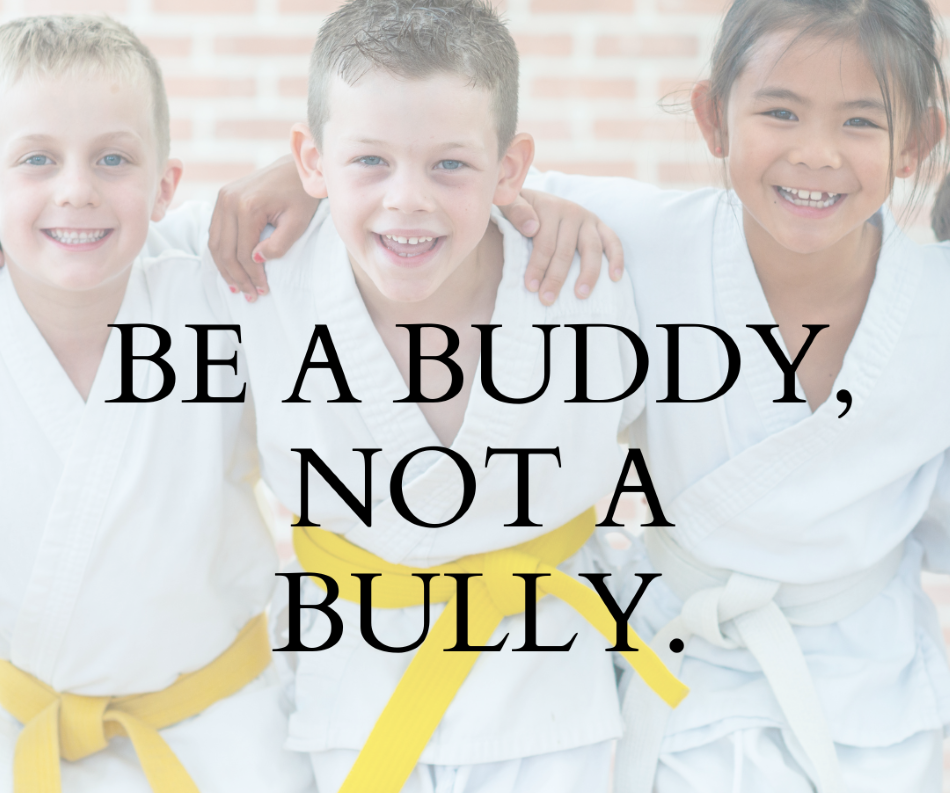
Some children tell an adult quickly. Others stay silent because they feel embarrassed, fear retaliation, think nothing will change or worry that their phone will be confiscated or at school that there beak times will be taken away.
Possible signs include:
- becoming reluctant or refusing to attend school;
- headaches, stomach aches or feeling unwell mainly on school days;
- disturbed sleep, nightmares, tearfulness or unusual irritability;
- unexplained injuries or damaged or missing belongings;
- avoiding the playground, bus, changing room, club or a particular route;
- a sudden change in friendship groups;
- becoming unusually quiet after using a phone or gaming platform;
- asking for money or food without a clear explanation;
- declining concentration, attainment or attendance;
- loss of confidence, withdrawal or saying that nobody likes them;
- self-harm, hopelessness or comments about not wanting to be here.
These signs can have many causes. Ask rather than assume.
Step 1: Listen without rushing into action
Give your child time to explain what has happened in their own words. Try not to interrupt with solutions or questions that sound like blame, such as “Why didn’t you stand up for yourself?”
Useful questions include:
- “Can you tell me what happened?”
- “Has this happened before?”
- “Who was there?”
- “Where and when does it usually happen?”
- “What did you do next?”
- “Who at school knows about it?”
- “What are you most worried might happen now?”
- “What would help you feel safer tomorrow?”
Thank your child for telling you. Make clear that the behaviour is not their fault and that asking for help is a strong, sensible action.
Hampshire County Council advises children to tell a trusted adult, to keep trying if the first person does not help and to be included in decisions about what happens next. That last point matters: do not promise complete secrecy, but explain what you may need to share, with whom and why.
Step 2: Check whether there is an immediate safety risk
Ask directly whether your child has been hurt, threatened, blackmailed, followed, sexually harassed, encouraged to harm themselves or made afraid to attend school.
Contact the school urgently if your child may be in danger. Call 999 where there is an immediate risk of serious harm.
Some conduct may also be criminal, including violence or assault, theft, repeated harassment or intimidation, abusive communications and hate crime. Government guidance says these may need to be reported to the police. Calling the police does not replace telling the school; both may need to act.
If your child talks about self-harm, suicide or being unable to stay safe, treat it as an urgent health and safeguarding concern rather than solely as a school behaviour issue. Seek immediate professional help.
Step 3: Build a clear factual record

Write down what your child tells you as soon as possible. A short, accurate chronology is more useful than a long emotional account.
For each incident, record:
- date and approximate time;
- location or online platform;
- what was said or done;
- who was involved and who witnessed it;
- any injury, damage, loss or absence from lessons;
- whom your child told and what happened afterwards;
- the effect on your child’s wellbeing, attendance or learning.
Keep relevant screenshots, messages, usernames, URLs, photographs and school correspondence. Do not edit screenshots or encourage your child to continue an unsafe exchange simply to gather more evidence.
Avoid secretly recording school meetings unless you have discussed and agreed it. Take notes instead and email a brief factual summary afterwards.
Step 4: Read the school’s policies
Check the school website for its:
- behaviour policy;
- anti-bullying policy;
- safeguarding or child-protection policy;
- online-safety policy;
- equality policy;
- complaints procedure.
Winchester area schools publish these in different ways. For example, Weeke Primary combines behaviour and anti-bullying guidance and sets out procedures after bullying has been identified; St Bede, Western, Harestock and Compton All Saints publish dedicated anti-bullying material or policies; Sparsholt asks parents to contact the headteacher at the first hint of bullying. Other schools may incorporate the procedure into a wider behaviour policy or make a copy available through the office.
The wording and internal stages vary, so follow your child’s current school policy rather than assuming that every Hampshire school uses the same process.
Step 5: Report the concern to the school
For most primary school concerns, start with the class teacher. At secondary school, the first contact may be the form tutor, head of year, progress leader, guidance manager or pastoral team. Some local schools also use peer mentors, prefects, wellbeing teams or trained anti-bullying ambassadors. These pupils can provide valuable support, but responsibility for investigating and protecting a child remains with school staff.
If the allegation is serious, involves several children, has continued despite earlier reports or raises a safeguarding issue, also contact the headteacher, designated safeguarding lead or relevant senior pastoral leader. If you are unsure who holds the role, ask the school office rather than sending the concern to a large group of parents or staff.
Use neutral, specific language:
“I am concerned that this may be a repeated pattern of bullying. These are the incidents my child has described and this is the effect on their safety and wellbeing.”
Ask the school to:
- acknowledge the concern;
- explain who will investigate it;
- speak to your child privately and sensitively;
- consider information from witnesses and staff observations;
- put immediate safety measures in place;
- explain how incidents will be recorded;
- arrange a review date;
- tell you what it can share without breaching another child’s confidentiality.
Schools will not normally be able to disclose confidential details about sanctions or support given to another pupil. However, they should still be able to explain what is being done to protect your child, how the situation will be monitored and when progress will be reviewed.
Ask for one named person to coordinate the response
Secondary schools often involve several adults: a tutor, subject teachers, a head of year, safeguarding staff and a pastoral team. That can be helpful, but it can also leave parents repeating the same account while assuming somebody else is joining the information together.
Ask:
- Who is the lead person for this concern?
- Where will incidents be recorded?
- How will relevant staff be alerted without unnecessarily publicising the issue?
- Who will update my child?
- Who should I contact if another incident occurs?
Where a concern crosses lessons, breaktime, transport and online activity, a single coordinated chronology is particularly important.
A sample email to the school
Subject: Concern about possible bullying involving [child’s name and class]
Dear [teacher/headteacher],
I am writing because [child’s name] has described a number of incidents that are causing concern about possible bullying.
The incidents reported so far are:
- [date, place and short factual description];
- [date, place and short factual description];
- [date, place and short factual description].
[Child’s name] says this has affected them by [briefly describe fear, distress, injury, attendance, sleep or learning]. I have attached or can provide [screenshots/a chronology/photographs] where relevant.
Please could you confirm:
- who will investigate the concern;
- what immediate steps will help [child’s name] feel and remain safe;
- how the incidents will be recorded and monitored;
- when we can review whether the action has been effective.
I would appreciate an acknowledgement of this email and the opportunity to discuss the matter by [reasonable date]. I would also be grateful if [child’s name] could be kept informed, in an age-appropriate way, about any steps that directly affect them.
Kind regards,
[Name]
Step 6: Agree a practical safety plan
“We will keep an eye on it” is rarely specific enough. A useful plan may identify:
- a named adult your child can approach;
- how your child can discreetly ask for help;
- supervision at the times and places where incidents occur;
- safe arrangements for breaks, lunch, changing rooms, transport or clubs;
- seating or grouping changes that do not punish or isolate your child;
- how online incidents connected with school will be handled;
- emotional or pastoral support;
- a date, often within several school days, to check progress.
The plan should not make the targeted child carry the entire burden. Teaching confidence and assertiveness can help, but the central responsibility remains with adults to stop harmful behaviour and create a safe environment.
Consider lessons, transitions and the journey to school
Secondary school bullying may occur less often in one classroom and more often while pupils move between lessons, wait for transport, use changing rooms or travel to and from school. Local secondary policies expressly recognise that behaviour on journeys, during after-school activities and on social media may require a school response when it affects pupils in school.
Ask the school to consider the entire pattern, including:
- lesson changeovers and corridors;
- lunch queues and less-visible parts of the site;
- PE changing rooms;
- buses, walking routes and collection points;
- clubs and curriculum-extension activities;
- group chats, gaming and social-media activity connected with school relationships.
Moving the targeted child out of a lesson, club or friendship group may occasionally be necessary for immediate safety, but it should not become the default long-term solution simply because it is administratively easier.
What should parents avoid doing?
However understandable the impulse, try not to:
- confront the other child at the school gate;
- contact or threaten the other child online;
- publish allegations or name children on social media or parent groups;
- tell your child to retaliate physically;
- promise that you will not tell anyone;
- remove all devices before preserving evidence of online bullying;
- exaggerate or add claims that cannot be supported;
- insist on a particular punishment for another child;
- keep your child at home for an extended period without speaking to the school.
Hampshire’s guidance specifically warns children not to hurt the people bullying them, copy the behaviour or exaggerate what happened. Retaliation may increase danger and can leave the original target being treated as a participant in the conflict.
Does a child have a legal right to defend themselves?
Yes. The law of England and Wales recognises self-defence and the defence of another person. A child, like an adult, may use reasonable force when they honestly believe it is necessary to protect themselves or somebody else from an imminent attack.
Technically, self-defence is a legal defence rather than an unlimited permission to fight. The central questions are:
- Did the child honestly believe that force was necessary?
- Was the force used reasonable in the circumstances as the child believed them to be?
Section 76 of the Criminal Justice and Immigration Act 2008 says that reasonableness is judged according to the circumstances as the person believed them to be. It also recognises that someone acting for a legitimate purpose may not be able to “weigh to a nicety” the exact amount of force required in the heat of the moment. Evidence that a person acted honestly and instinctively is relevant. However, force that was disproportionate in the circumstances will not be reasonable.
In practical terms, a child does not always have to wait to be struck before acting if they genuinely believe an attack is about to happen. They may, for example, cover their head, push an attacker away, break a grip, create space or use necessary force to escape. The justification becomes much weaker once the immediate danger has ended. Chasing the other child, continuing to hit them when they are no longer attacking, returning later for revenge or recruiting friends is retaliation, not self-defence.
The safest principle to teach is:
Protect yourself, create an opportunity to escape, get to safety and tell an adult. Stop using force as soon as it is safe to stop.
Legal self-defence and school rules are not exactly the same question

Parents should understand an important distinction:
- Criminal law asks whether the child’s use of force was lawful self-defence.
- The school asks what happened under its behaviour and safeguarding policies and what response is necessary to keep pupils safe.
A school is entitled to investigate any physical incident. It should not, however, automatically treat the aggressor and the child trying to escape as equally responsible simply because both made physical contact. “We have a zero-tolerance approach to fighting” should not become a substitute for establishing who initiated the violence, whether the threat was continuing, what each child did and why, and whether the response was proportionate.
Equally, a parent should not assume that a claim of self-defence prevents every possible school consequence. A child may initially act defensively but then use unnecessary force after the danger has passed. The school may also conclude, after considering the evidence, that the incident was a mutual fight rather than self-defence. The outcome depends on the facts and the school’s lawful application of its published policy.
What should parents do if their child is punished for “fighting” when they acted in self-defence?
Do not begin with “My child had every right to hit back.” That wording can make a defensive act sound like retaliation. Ask the school to distinguish clearly between initiating, defending, escaping and retaliating.
1. Obtain your child’s account while it is fresh
Ask your child to describe the sequence step by step:
- What happened immediately before physical contact?
- Who moved towards or touched whom first?
- What did your child believe was about to happen?
- Could they move away safely?
- What force did they use and for how long?
- At what point did they stop?
- Did they try to leave or seek adult help?
- Who witnessed the incident?
- Is there CCTV, earlier reporting or evidence of previous threats?
- Were there injuries to either child?
Record their words accurately. Do not rehearse an improved version or tell them what to say.
2. Ask the school what evidence and policy it considered
Request a meeting with the headteacher or appropriate senior leader and ask:
- Has my child been allowed to give a full account?
- Were witnesses spoken to separately?
- Was available CCTV reviewed and preserved?
- Were earlier reports, threats or the known pattern of bullying considered?
- Did staff distinguish defensive actions from continued aggression?
- Which exact part of the behaviour policy is said to have been breached?
- How were my child’s age, SEND, fear and ability to withdraw considered?
- What safeguarding plan will prevent another attack?
Schools may be unable to share confidential information about another pupil, but that does not prevent them from explaining the evidence relating to your child, the policy applied, the reasoning behind your child’s outcome and the measures being taken to protect them.
3. Put the challenge in precise language
Parents can write:
“I accept that the school must investigate every physical incident and I am not encouraging retaliation. My concern is that this incident appears to have been recorded as mutual fighting without properly distinguishing the initial aggression from the limited force my child says they used to protect themselves and escape. Please review the chronology, witness evidence, any CCTV, previous reports and the point at which my child stopped using force. Please also explain how the decision complies with the school’s behaviour, anti-bullying and safeguarding policies.”
If appropriate, add:
“My child’s account is that they honestly believed they were about to be harmed and used force only to create space and get away. I understand that self-defence in law depends on whether force was necessary and reasonable in the circumstances as the person believed them to be. I would be grateful if the school would address that context rather than relying solely on the fact that physical contact occurred.”
4. Challenge the decision through the correct route
If the school does not reconsider:
- ask for the decision and reasons in writing;
- follow the school’s complaints procedure;
- identify any failure to follow the behaviour, anti-bullying, safeguarding, SEND or equality policy;
- if the outcome is a suspension or permanent exclusion, use the specific review and representation rights explained in the decision letter and current Department for Education guidance.
The Department for Education’s parent guidance says a child should be given the opportunity to explain their behaviour before a suspension or permanent exclusion decision, and parents may challenge that decision. The available process and deadlines depend on the type and length of exclusion, so act promptly.
5. Keep the argument balanced
The strongest parent position is not that their child can never be sanctioned because they used the words “self-defence”. It is that the school should make a fair, evidence-based and child-centred distinction between:
- a child who started or willingly joined a fight;
- a child who used limited force because they reasonably believed it was necessary to prevent injury or escape;
- a child who initially defended themselves but continued after the threat had ended.
That distinction protects children who genuinely defend themselves while preserving the clear message that revenge and avoidable violence are not acceptable.
What if the bullying happens online or outside school?
Cyberbullying can follow a child home and continue throughout the evening. Preserve evidence before blocking or reporting accounts. Review privacy settings, remove location sharing and help your child identify which accounts or groups are safe.
Report content through the relevant platform where appropriate. Do not repeatedly forward humiliating material, as that can increase the harm.
A school’s ability to act depends on the circumstances, but schools can address behaviour outside the school gates when it affects pupils, school relationships or the orderly running of the school. Report the connection clearly rather than accepting “it happened outside school” as the end of the discussion.
Local secondary-school policies reflect this distinction. For example, The Henry Beaufort School’s published policy covers travel to and from school and states that social media issues may be addressed when they have a direct behavioural impact in school, while recognising that the school cannot police every out-of-school online interaction. That is a sensible way to frame a report: identify the external conduct, then explain its concrete impact on safety, attendance, relationships or learning in school.
What if the behaviour targets disability, race or another protected characteristic?
Tell the school clearly if the behaviour relates to disability, race, religion or belief, sex, sexual orientation, gender reassignment or another protected characteristic.
Schools must comply with equality law and act to prevent discrimination, harassment and victimisation. A child with SEND may also need reasonable adjustments to the reporting process, safety plan or support offered. Hampshire SENDIASS can provide impartial information and support to Hampshire families where special educational needs or disability are relevant.
Do not assume that a discriminatory incident must be repeated before it matters. A one-off racist, homophobic, sexist, faith-related, transphobic or disability-related incident may not satisfy the school’s technical definition of repeated bullying, but it may still constitute harassment, a serious behaviour incident or a safeguarding concern and should be recorded and addressed accordingly.
What if the school suggests a restorative meeting?

Several schools in the Winchester area have policies that refer to restorative conversations or restorative justice. Used well, this approach can help the child responsible understand the harm, repair relationships and reduce the chance of recurrence. It can be more constructive than imposing a sanction and then assuming the problem is solved.
Restorative work should not, however, be treated as a compulsory face-to-face reconciliation. Before your child participates, ask:
- Does my child feel safe and willing to take part?
- What is the intended outcome?
- Who will facilitate the meeting?
- Will the children be prepared separately?
- Can your child contribute in writing or through an adult instead?
- How will staff prevent blame, pressure or retaliation?
- What happens if the agreed behaviour does not change?
An apology can be part of a solution, but it is not proof that the risk has ended. The school should continue to monitor behaviour afterwards.
What if bullying is affecting attendance?
Bullying can cause headaches, stomach aches, panic, disturbed sleep and intense fear of school. Tell the school in writing if absence or lateness is connected with feeling unsafe. Ask for an urgent safety and reintegration plan rather than allowing the problem to be recorded only as poor attendance.
Possible short-term measures include:
- meeting a trusted adult on arrival;
- entering through a quieter route;
- a safe place at break or lunch;
- adjusted movement between lessons;
- supported transport or collection arrangements;
- regular pastoral check-ins;
- a gradual, reviewed return where health professionals advise it.
Keep the school informed and seek advice from your GP where anxiety or physical symptoms are significant. Avoid an open-ended informal arrangement in which a child simply stays at home: it can make returning harder and may allow the underlying safety problem to disappear from view.
What if the school’s first response does not solve it?
Remain calm, persistent and evidence-led.
- Write to the appropriate member of staff. Summarise the incidents, earlier reports, agreed actions and what has continued.
- Ask for a review meeting. Focus on whether your child is now safe and whether the plan has worked.
- Ask for the complaints procedure. Every school and academy should have one.
- Make a formal complaint through the school’s published stages if the concern is not resolved or the policy has not been followed.
- Escalate externally only after the school process where appropriate. Hampshire County Council explains that unresolved complaints may, depending on the school’s status and circumstances, be referred to the relevant government route. Ofsted considers concerns about how a school is managed, not disputes concerning one individual pupil, and generally expects the school’s complaints procedure to have been completed first.
Escalation should not delay urgent safeguarding or police contact where a child is at immediate risk.
What schools are required to do
In England, all state schools must have a behaviour policy containing measures to prevent every form of bullying among pupils, and the policy must be communicated to staff, pupils and parents. Schools must also comply with anti-discrimination law.
That does not mean every reported allegation will immediately be confirmed as bullying. It does mean the school should take the concern seriously, investigate fairly, consider the child’s safety and respond under its policies.
The local policies reviewed around Winchester repeatedly emphasise:
- a safe and respectful school culture;
- clear routes for children to tell an adult;
- investigation and recording;
- support for the child who has been harmed;
- work with the child displaying bullying behaviour;
- parental involvement;
- monitoring to determine whether the behaviour has stopped;
- links with safeguarding, SEND, equality and online safety.
Parents can reasonably ask how those principles are being applied to their child’s situation.
The wider review of secondary-school policies adds several practical expectations:
- bullying connected with travel, activities or online behaviour may require action when it affects school;
- tutors, heads of year, pastoral staff and safeguarding leads should share relevant information;
- peer mentors and anti-bullying ambassadors can supplement—but not replace—adult action;
- sanctions may be necessary, but changing the behaviour of the child responsible is also important;
- restorative work should repair harm and be followed by monitoring;
- the child who has been harmed needs both protection and support to regain confidence.
How to support your child’s confidence at home
Stopping the bullying is the first priority. Alongside that, parents can help a child regain confidence and a sense of control.
- Maintain normal routines where possible.
- Make time to listen without making every conversation about bullying.
- Help your child identify several safe adults and supportive peers.
- Rehearse a clear response such as “Stop. That’s not okay,” followed by moving towards safety and reporting it.
- Practise confident posture, eye contact and an audible voice without blaming the child if these are difficult.
- Encourage activities where the child feels capable, valued and connected.
- Notice small acts of courage, including telling an adult or returning to an activity.
- Seek help from a GP or suitable mental-health professional if distress persists or significantly affects daily life.
The goal is not to make a child responsible for stopping someone else’s behaviour. It is to restore their voice, choices, relationships and confidence while responsible adults address the bullying.
Can Martial Arts help a child who is being bullied?

Good martial arts training can support confidence, emotional regulation, communication, physical awareness and belonging. It can give children repeated experiences of learning a difficult skill, managing pressure and succeeding through steady practice.
However, martial arts should never be sold as a guarantee that bullying will stop, and children should not be encouraged to “teach the bully a lesson”. Responsible self-protection begins with awareness, confident communication, leaving danger, attracting adult help and avoiding escalation. Physical techniques are a last resort when necessary to escape immediate harm.
At Shin Gi Tai Martial Arts Academy in Winchester, children train in age-appropriate groups within a structured, supportive environment. The emphasis is on confidence, discipline, self-control, resilience and respect, not turning the playground into a low budget action film.
A simple action checklist for parents
- Listen calmly and thank your child for telling you.
- Check whether anyone is in immediate danger.
- Record dates, words, actions, witnesses and impact.
- Save online evidence safely.
- Read the school’s relevant policies.
- Report the concern factually to a named member of staff.
- Ask for immediate protection, investigation, recording and a review date.
- Keep your child informed about what will happen.
- Follow up in writing.
- Use the school’s complaints procedure if agreed action is ineffective.
- Seek safeguarding, police, medical or mental-health help when the circumstances require it.
Local and national sources of help
- Hampshire County Council: bullying information for parents and carers
- Hampshire County Council: what to do if you are being bullied
- Hampshire County Council: making a complaint to your child’s school
- GOV.UK: bullying at school and the law
- Criminal Justice and Immigration Act 2008, section 76: reasonable force and self-defence
- Department for Education: guide for parents on school behaviour and exclusion
- Anti-Bullying Alliance: definition of bullying
- The Westgate School: policies
- Kings’ School Winchester: policies
- The Henry Beaufort School: anti-bullying policy
- Childline
- Family Lives — 0808 800 2222
- Hampshire SENDIASS
If a child is in immediate danger, call 999.
Suggested call to action
Help your child rebuild confidence in a safe, supportive environment
Martial Arts cannot replace action by a school, but the right training can help a child develop confidence, calm communication, resilience and practical personal safety and self protection skills.
Shin Gi Tai Martial Arts Academy provides structured, age-specific children’s martial arts classes in Winchester, led by experienced, qualified and DBS-checked coaches.
Arrange a free children’s martial arts taster class
Research note for publication
This page was prepared and expanded on 28 July 2026 after reviewing current national and Hampshire guidance and publicly available material from the wider Winchester school area.
The Winchester-area primary review included All Saints CE Primary, St Bede CE Primary, Winnall Primary, St Faith’s CE Primary, Western CE Primary, Weeke Primary, Oliver’s Battery Primary, Kings Worthy Primary, Harestock Primary, St Peter’s Catholic Primary, Compton All Saints CE Primary, Itchen Abbas Primary, Otterbourne CE Primary, Sparsholt CE Primary and Twyford St Mary’s CE Primary.
The secondary-phase review included the published anti-bullying, behaviour, safeguarding or policy material of The Westgate School, Kings’ School Winchester and The Henry Beaufort School. Additional comparison searches covered schools from the expanded Winchester Project area towards Eastleigh, Chandler’s Ford, Bishopstoke and Fair Oak, including publicly available pupil-facing and parent-facing policy material.
Not every school exposes a separately indexed anti-bullying document. Where a full document was not publicly accessible, the review was limited to the school’s indexed policies page, behaviour guidance, safeguarding statement or anti-bullying information. School procedures change, so parents should always check the current policy on their own child’s school website.
This is general information for parents, not legal or medical advice.
Frequently Asked Questions on how to deal with Bullying in school
These are some of the FAQs that we frequently are asked by Winchester parents.
What is the difference between bullying and children falling out?
Bullying normally involves repeated, intentional harm and an imbalance of power. A one-off disagreement between children of relatively equal power may be conflict rather than bullying. However, a single serious incident can still breach the school’s behaviour, equality or safeguarding policies and should be reported.
What should I do first if my child says they are being bullied?
Stay calm, listen without blaming them and thank them for telling you. Check whether they are in immediate danger, reassure them that the bullying is not their fault and explain that you will work out the next steps together. Record what happened and contact the school with specific facts.
Should I tell the school if my child does not want me to?
Listen to your child’s concerns and involve them in deciding how the information will be shared. However, do not promise complete secrecy if their safety or wellbeing may be at risk. Explain whom you need to contact, what you intend to say and what you will ask the school to do.
What evidence should I collect about bullying?
Keep a dated record of each incident, including what happened, where it occurred, who was involved, any witnesses and whom your child told. Record the effect on your child’s wellbeing, attendance and learning. Preserve relevant messages, screenshots, usernames, photographs and school correspondence.
Should I contact the parents of the child accused of bullying?
Usually, it is better to report the concern to the school in Winchester and allow staff to investigate. Directly contacting the other parents or child can escalate the situation, compromise confidentiality or place additional pressure on the children. Avoid discussing or naming children on social media or parent messaging groups.
What is a school legally required to do about bullying?
State schools must have a behaviour policy containing measures to prevent bullying. Schools must also meet their safeguarding and equality responsibilities. They should take reports seriously, investigate what happened, protect the affected child and respond according to their published policies.
What should I do if the school says it is not bullying?
Do not become trapped in an argument about the label. Ask the school to address the individual incidents, their cumulative effect and what will be done to keep your child safe. Even if the behaviour does not meet the school’s definition of bullying, it may still require action under its behaviour, safeguarding, equality or child-on-child abuse procedures.
Can the school tell me what punishment the other child received?
The school will usually be unable to disclose confidential information about another pupil’s sanctions or support. However, it should still explain what measures are being taken to protect your child, how the situation will be monitored and when the arrangements will be reviewed.
What should I do about cyberbullying?
Preserve screenshots, usernames, URLs and message dates before blocking or reporting accounts. Review privacy and location settings and report harmful content through the relevant platform. Tell the school when online behaviour involves its pupils or affects your child’s safety, attendance, friendships or learning.
Can a school deal with bullying that happens outside school?
Schools may address behaviour outside school when it affects pupils, relationships within school or the orderly running of the school. This can include incidents on school transport, journeys to and from school, after-school activities and online behaviour. Report what happened and explain its connection with school.
What if my child is too frightened to attend school?
Tell the school in writing that your child’s anxiety or absence is connected with bullying and request an urgent safety and reintegration plan. This might include meeting a trusted adult on arrival, increased supervision, a safe place at breaktime and regular pastoral check-ins. Consult your GP if your child’s anxiety or physical symptoms are significant.
What should I do if the school does not stop the bullying?
Put your concerns in writing, provide a factual chronology and ask for a meeting, an immediate safety plan and a review date. If the bullying continues or the school does not follow its policy, request its complaints procedure and follow each stage. Urgent safeguarding or police concerns should not be delayed while completing the complaints process.
When should bullying be reported to the police?
Contact the police when the behaviour may involve assault, theft, repeated harassment or intimidation, serious threats, abusive communications or hate crime. Reporting the matter to the police does not replace telling the school; both may need to act. Call 999 if anyone is in immediate danger.
Can my child legally defend themselves if they are attacked?
A child may use reasonable force when they honestly believe it is necessary to protect themselves or another person. The force must be reasonable in the circumstances and should stop once the immediate danger has ended. Self-defence does not permit revenge, chasing someone or continuing to strike after there is a safe opportunity to escape.
What if my child is punished for fighting when they acted in self-defence?
Ask the school to distinguish between initiating a fight, defending against an attack, escaping and retaliating. Request that it considers witness accounts, CCTV, previous threats, earlier bullying reports and when your child stopped using force. A zero-tolerance rule should not replace a fair investigation into what each child actually did.
Can martial arts stop my child being bullied?
No activity can guarantee that bullying will stop. Well taught martial arts can develop confidence, emotional control, assertive communication, resilience and personal-safety skills. It should complement—not replace—appropriate action by the school, parents and other responsible adults.